As temperatures begin to drop, dog owners face unique challenges in keeping their furry companions safe and healthy throughout the winter months. According to reports, proper winter preparation requires understanding breed-specific vulnerabilities, recognizing toxic hazards, and maintaining mental stimulation during shorter days.
Understanding Your Dog's Cold Tolerance
Not all dogs are created equal when it comes to cold weather tolerance. According to experts, breed-specific factors play a crucial role in determining how well your pet can handle winter conditions. Small breeds, senior dogs, and those with existing health conditions are particularly vulnerable to cold-related health issues, including hypothermia.
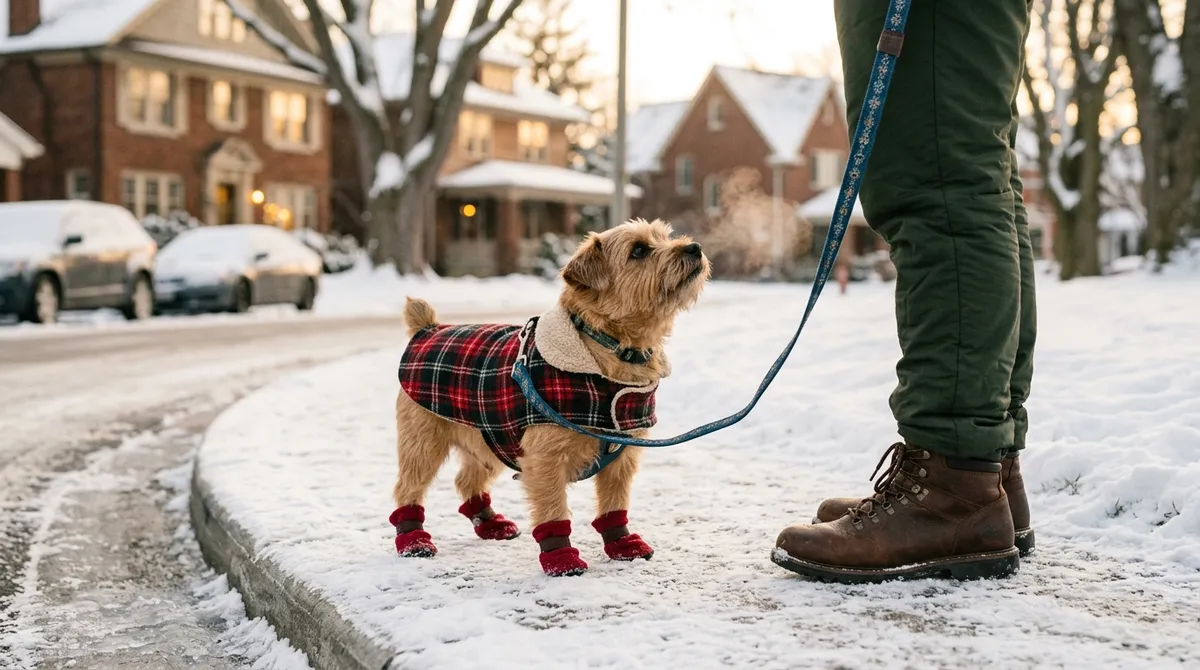
Dog owners should assess their pet's individual needs based on size, age, and overall health status. Protective gear may be necessary for dogs with lower cold tolerance, helping prevent dangerous drops in body temperature during outdoor activities.
Hidden Winter Hazards to Avoid
Winter presents several unexpected dangers that many pet owners overlook. One of the most serious threats comes from toxic substances commonly found during colder months. Antifreeze poses a significant poisoning risk, as dogs may be attracted to its sweet taste despite its lethal effects.
Household chemicals also become more hazardous during winter months, as pets spend increased time indoors where exposure is more likely. Pet owners should ensure all potentially toxic substances are stored securely and out of reach.
Another unusual but serious danger involves frozen metal surfaces. Dogs can suffer injuries from contact with extremely cold metal objects, making it important to check outdoor equipment and fixtures before allowing pets to explore.
Maintaining Mental Health During Shorter Days
The reduced daylight hours of winter can impact dogs' mental well-being, leading to behavioral issues if not properly addressed. According to reports, mental stimulation strategies become crucial during this period as outdoor activities may be limited.
Indoor enrichment solutions offer effective ways to keep dogs engaged and mentally stimulated. Pet owners should consider implementing various activities and games that can be safely conducted inside, helping prevent boredom-related behavioral problems.
Essential Paw Care Routines
Winter weather can be particularly harsh on dogs' paws, making proper care routines essential. Salt, ice, and cold surfaces can cause damage to paw pads, requiring preventative measures and regular maintenance.
Establishing a consistent paw care routine helps protect against winter-related injuries and discomfort. This includes regular inspection for cuts, cracks, or signs of irritation that may develop from exposure to harsh winter conditions.
Preparing for Temperature Drops
As colder weather approaches, proactive preparation becomes key to preventing cold-related health issues. Pet owners should take actionable steps to ensure their dogs are ready for temperature changes, particularly focusing on vulnerable populations.
Senior dogs require special attention during winter months, as age-related health issues can make them more susceptible to cold-related complications. Similarly, small breeds may need additional protection due to their reduced ability to regulate body temperature effectively.
Creating Winter Safety Checklists
Developing a comprehensive winter preparation checklist helps ensure no important safety measures are overlooked. This should include assessment of protective gear needs, review of indoor spaces for potential hazards, and preparation of emergency supplies.
Regular evaluation of your dog's winter needs allows for adjustments as conditions change throughout the season. Pet owners who actively search for seasonal care tips can benefit from maintaining organized, accessible information about their pet's specific requirements.
Moving Forward with Confidence
Winter dog care requires a multi-faceted approach that addresses physical safety, mental well-being, and health maintenance. By understanding breed-specific needs, recognizing potential hazards, and implementing appropriate preventative measures, pet owners can help ensure their dogs remain safe and comfortable throughout the colder months.
The key lies in preparation and vigilance, combined with an understanding of how winter conditions specifically impact your individual pet's needs and vulnerabilities.