A New Chapter of Companionship
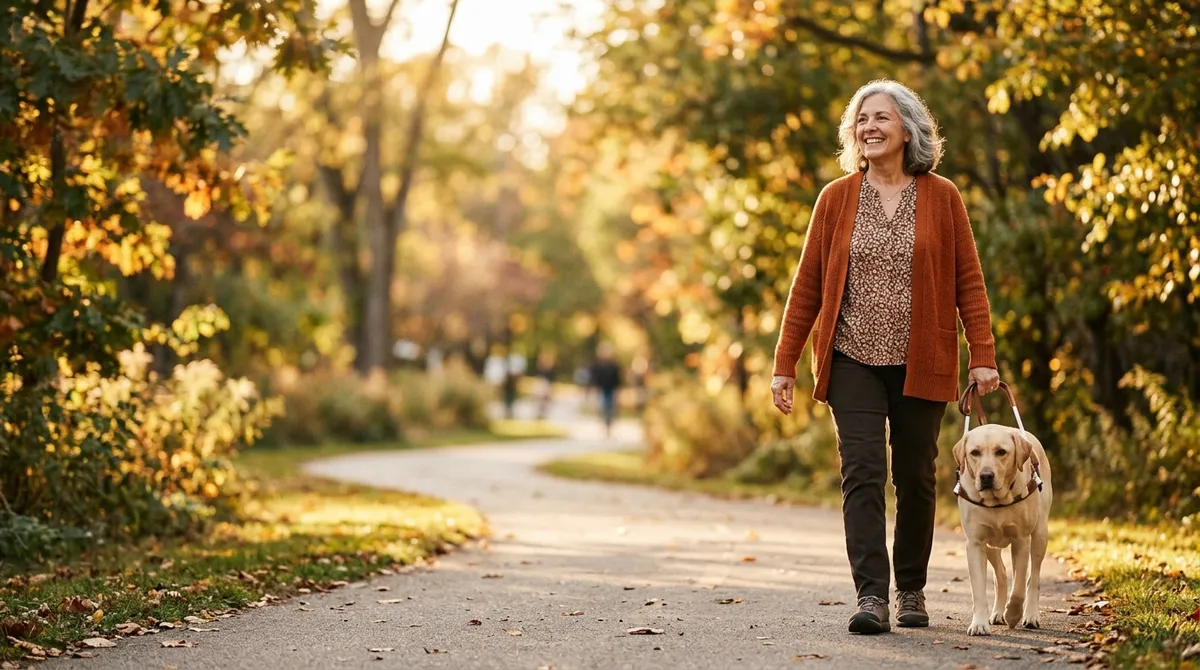
According to reports, finding love and confidence through guide dog adoption after age 60 represents a meaningful journey for older adults seeking both companionship and enhanced independence. This unique bond between seniors and their canine partners offers emotional and practical benefits that can transform daily life.
The Guide Dog Advantage for Seniors
Guide dogs provide more than just navigation assistance for individuals with visual impairments. For those over 60, these specially trained companions can offer a renewed sense of purpose and confidence that may have diminished over time. The responsibility of caring for a guide dog creates structure and routine, while the unconditional love these animals provide can fill emotional voids.
The training process for both the dog and handler creates a foundation of trust and communication that strengthens with each passing day. This relationship often becomes one of the most significant connections in a senior's life, providing constant companionship and emotional support.
Building Confidence Through Partnership
Adopting a guide dog after 60 can significantly boost self-confidence according to reports. The presence of a well-trained guide dog can help seniors navigate their environment with greater assurance, whether walking through familiar neighborhoods or exploring new places. This increased mobility often leads to expanded social opportunities and a more active lifestyle.
The partnership between senior and guide dog creates a sense of empowerment that extends beyond physical navigation. Many individuals report feeling more confident in social situations, as their guide dog often serves as a conversation starter and helps break down social barriers.
The Love Connection
The emotional bond that develops between seniors and their guide dogs represents a profound form of love and companionship. These relationships are built on mutual dependence and trust, creating deep emotional connections that can be particularly meaningful for older adults who may be experiencing loneliness or loss of other relationships.
Guide dogs are trained to be attentive to their handler's needs, providing not just physical assistance but emotional comfort as well. This constant presence can be especially valuable for seniors who live alone or have limited social contact.
Practical Considerations for Senior Adopters
While the emotional benefits are significant, adopting a guide dog after 60 requires careful consideration of practical factors. The physical demands of caring for and working with a guide dog must be evaluated, including the ability to maintain the dog's training and provide adequate exercise and care.
The application and training process for guide dog adoption typically involves extensive evaluation to ensure the best match between dog and handler. This process takes into account the individual's lifestyle, living situation, and specific needs.
A Transformative Experience
According to reports, the experience of finding love and confidence through guide dog adoption after 60 can be truly transformative. The combination of practical assistance, emotional support, and constant companionship that guide dogs provide can significantly enhance quality of life for older adults.
This unique partnership represents more than just a working relationship – it's a bond that can bring joy, purpose, and renewed confidence to the later years of life. For seniors considering this step, the potential for finding both love and enhanced independence through guide dog adoption offers an inspiring path forward.