Understanding the Problem
Deal with unwanted animal visitors in your garden can be frustrating for any homeowner. According to reports, both cats and foxes commonly use gardens as convenient bathroom spots, leaving behind unpleasant surprises that can damage plants and create unsanitary conditions.
Physical Barriers and Deterrents
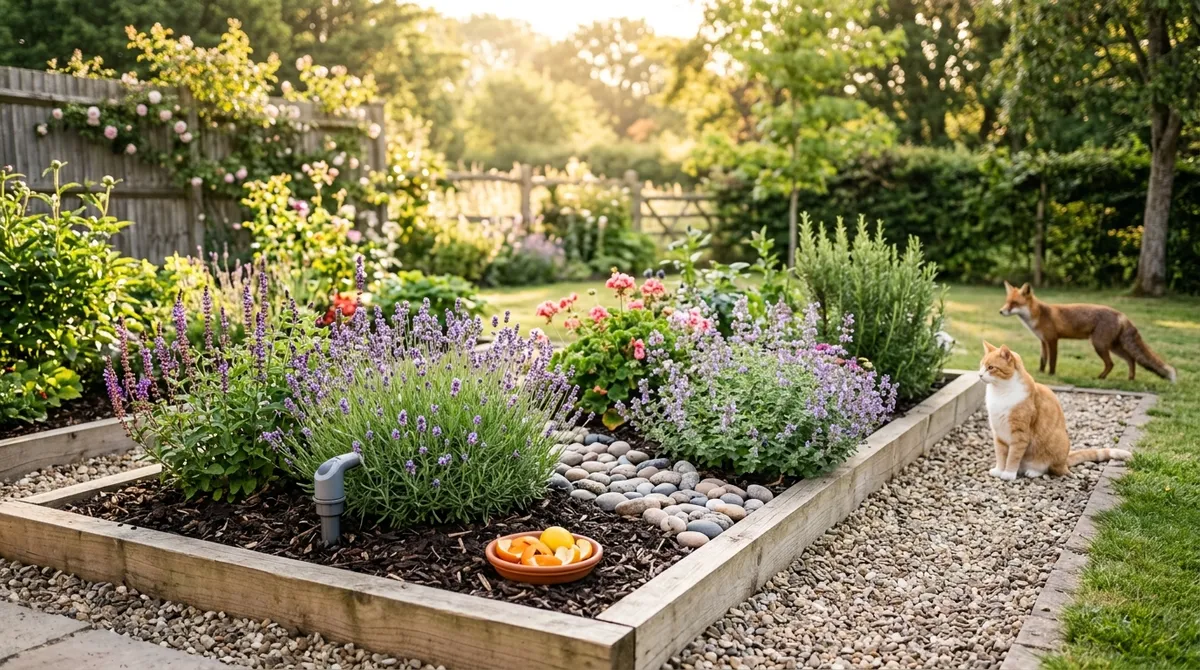
One of the most effective approaches involves creating physical obstacles that make your garden less appealing to these animals. Installing motion-activated sprinkler systems can startle cats and foxes when they enter your garden space, encouraging them to find alternative locations for their bathroom needs.
Another physical deterrent method includes placing chicken wire or mesh barriers around vulnerable areas of your garden. These materials create uncomfortable surfaces that most cats and foxes prefer to avoid when looking for suitable spots to relieve themselves.
Natural Scent Repellents
Utilizing natural scents that cats and foxes find unpleasant can effectively discourage their presence in your garden. Citrus peels, particularly from oranges and lemons, can be scattered around garden beds to create a natural barrier that most felines find off-putting.
Coffee grounds also serve as an effective natural deterrent, providing a dual benefit of enriching your soil while keeping unwanted animal visitors away. These grounds can be spread around plants and garden borders to create protective zones.
Commercial Repellent Solutions
Specialized commercial repellents designed specifically for cats and foxes offer another layer of protection for your garden. These products typically contain natural ingredients that create scent barriers without causing harm to the animals or your plants.
Ultrasonic devices represent a modern technological approach to garden protection. These devices emit high-frequency sounds that are unpleasant to cats and foxes but remain inaudible to humans, providing a humane deterrent solution.
Garden Design Modifications
Modifying your garden's layout can significantly reduce its appeal to cats and foxes seeking bathroom spots. Creating dense plantings with thorny or prickly plants around garden perimeters can serve as natural barriers that discourage animal intrusion.
Maintaining clean, well-maintained garden spaces also helps reduce attraction factors. Removing potential food sources and shelter areas makes your garden less appealing as a regular visiting spot for these animals.
Consistency and Patience
Implementing these deterrent strategies requires consistency and patience for optimal results. According to reports, combining multiple approaches often proves more effective than relying on a single method. Regular maintenance of deterrent systems and periodic refreshing of natural repellents ensures continued effectiveness.
Monitoring your garden regularly allows you to assess which methods work best for your specific situation and make adjustments as needed. Different animals may respond better to certain deterrents, making experimentation with various approaches beneficial.
Long-term Garden Protection
Establishing a long-term protection strategy involves creating an environment that naturally discourages unwanted animal visitors while maintaining a beautiful and functional garden space. This balanced approach ensures your garden remains both attractive and protected from unwanted animal waste.
Regular evaluation of your deterrent methods and willingness to adapt strategies based on seasonal changes and animal behavior patterns contributes to sustained success in keeping cats and foxes from using your garden as their bathroom.