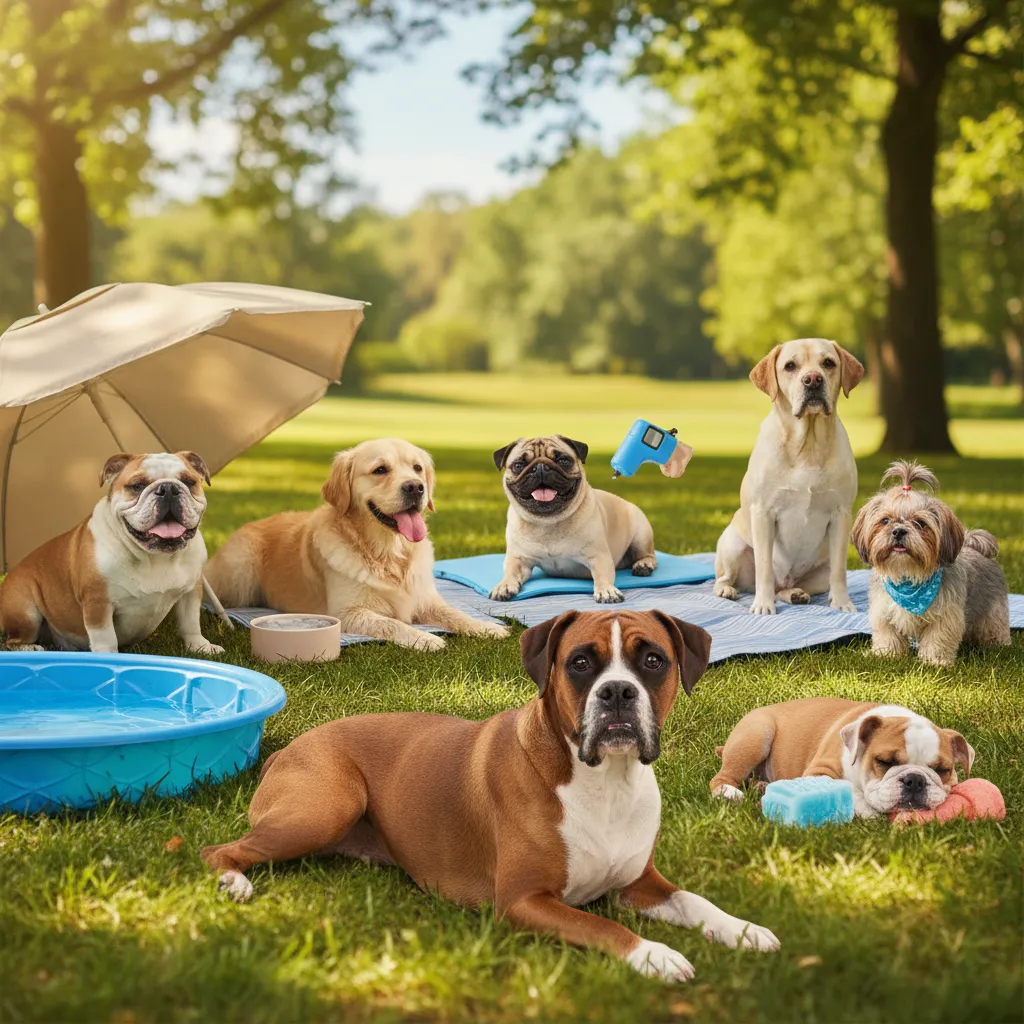
Warm weather can turn a simple walk into a serious health risk for dogs, especially for breeds that struggle to cool down efficiently. When temperatures rise, owners need to understand which pets are most vulnerable, how overheating develops, and what quick action can prevent a veterinary emergency.
Why dogs overheat faster than many owners realise
Dogs regulate body temperature very differently from people. Humans release heat through sweating across much of the skin. Dogs rely mainly on panting, with limited sweating through their paw pads.
Panting helps moisture evaporate from the mouth, tongue, and upper airways. This process removes heat from the body. However, it becomes less effective in hot, humid, or poorly ventilated conditions.
That is why a warm afternoon can become dangerous quickly. A dog may seem happy at the start of a walk, then deteriorate within minutes. Heatstroke can develop fast and may damage organs if treatment is delayed.
Exercise, direct sunshine, hot pavements, car journeys, and crowded outdoor events can all increase the risk. Even time in the garden can be unsafe without shade and fresh water.
Dog breeds most at risk in hot weather
Any dog can overheat, but some breeds face a higher risk because of their body shape, coat type, age, or health. Owners of these dogs should be extra cautious during warm spells.
Flat-faced dogs
Brachycephalic breeds are among the most vulnerable in summer. These dogs have shorter skulls, flatter faces, and narrower airways. That anatomy can make breathing harder, especially during exercise or excitement.
Common flat-faced breeds include Pugs, French Bulldogs, English Bulldogs, Boston Terriers, Shih Tzus, Boxers, and some Cavalier King Charles Spaniels. Many of these dogs are popular family pets, but they need careful management in heat.
Because panting depends on airflow, restricted airways can reduce a dog's ability to cool itself. A short stroll in warm weather may be too much for some flat-faced dogs. Heavy panting, noisy breathing, or slowing down should never be ignored.
Thick-coated and double-coated breeds
Dogs with dense coats can also struggle when temperatures climb. Their fur often evolved for colder climates, where insulation protects against freezing wind and snow.
Breeds such as Siberian Huskies, Alaskan Malamutes, Samoyeds, Akitas, Chow Chows, Bernese Mountain Dogs, and Newfoundlands need extra care during hot days. Their coats can trap warmth, particularly during exercise.
Regular grooming helps remove loose undercoat and improves airflow through the fur. However, shaving a double-coated dog is not always the answer. In many cases, the coat also protects the skin from sunburn.
If you are unsure, ask a qualified groomer or vet before making major coat changes. A good brushing routine is usually safer than a drastic summer clip.
Older dogs, puppies, and dogs with health problems
Age and medical history matter too. Senior dogs may have reduced stamina and less efficient temperature control. Puppies can become exhausted quickly because their bodies are still developing.
Dogs with heart disease, breathing difficulties, obesity, or mobility problems also face increased danger. Extra body weight makes cooling harder and adds strain during walks.
If your dog takes regular medication or has a chronic condition, speak to your vet about summer routines. Some pets need shorter walks, cooler environments, or adjusted activity levels during heatwaves.
Warning signs of overheating in dogs
Spotting heat stress early can save a dog's life. The first signs are often subtle, so owners should watch behaviour closely during warm weather.
Common warning signs include excessive panting, drooling, restlessness, weakness, and reluctance to continue walking. Some dogs may seek shade, lie down suddenly, or appear confused.
More serious symptoms can include vomiting, diarrhoea, bright red gums, rapid heartbeat, wobbliness, collapse, or seizures. These signs suggest a medical emergency and need immediate veterinary advice.
Do not wait to see if the dog improves on its own. Heatstroke can progress rapidly. Early cooling and urgent professional help give the best chance of recovery.
How to walk your dog safely during hot weather
Timing is one of the easiest ways to reduce risk. Walk dogs early in the morning or later in the evening when the air and ground are cooler.
Avoid midday walks when the sun is strongest. Even fit dogs can struggle during peak heat, especially on pavements, beaches, or open fields without shade.
Before heading out, check the ground with your hand. If the surface feels uncomfortable to touch for several seconds, it may burn your dog's paw pads.
Choose shaded routes, grassy paths, or woodland areas where possible. Keep walks short and slow. Hot weather is not the time for intense ball games, running, or long hikes.
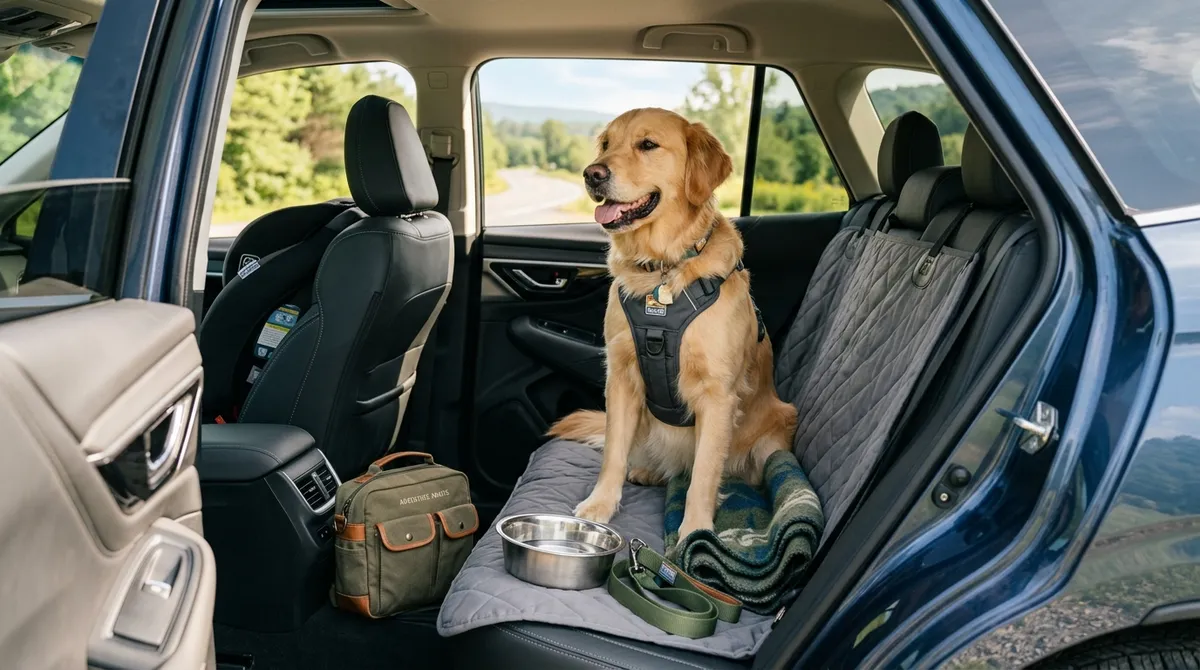
Carry water and offer it often. A collapsible bowl makes this easy. Do not force a dog to drink, but make water available throughout the outing.
If your dog pants heavily, lags behind, or seems distressed, stop immediately. Move to shade, offer water, and return home calmly. When in doubt, skip the walk and use indoor enrichment instead.
Cooling tips every dog owner should know
Keeping dogs cool is about prevention. Small changes at home can make a big difference during hot weather.
Provide constant access to fresh water. Place bowls in several rooms and check them regularly. Some owners add ice cubes, but plain cool water is usually enough.
Make sure your dog has access to shade outdoors. Indoors, use fans, open windows safely, or close curtains during the hottest part of the day.
Cooling mats, damp towels, and paddling pools can help many dogs. Always supervise water play and avoid forcing a nervous dog into water.
Frozen treats can provide gentle enrichment. Try stuffing a dog-safe toy with wet food or freezing low-salt broth in small portions. Keep treats suitable for your dog's diet.
Never leave a dog in a parked car, even for a short time. Vehicles can heat up quickly, and a partially open window does not make them safe.
What to do if your dog shows signs of heatstroke
If you suspect heatstroke, act quickly and contact a vet. Move your dog to a cooler area straight away. Choose shade, an air-conditioned room, or a well-ventilated space.
Start cooling with cool water, not ice-cold water. Pour it gently over the body, focusing on the neck, belly, and inner thighs. You can also use a fan to increase evaporation.
Offer small amounts of water if the dog is alert. Do not force water into the mouth, especially if the dog is weak or disorientated.
Avoid covering the dog with heavy wet towels for long periods. They can trap heat once they warm up. If you use towels, refresh them frequently.
Even if your dog seems better, veterinary assessment remains important. Heat-related illness can cause internal damage that may not be obvious at first.
Simple summer habits can protect your dog
Hot weather does not mean dogs must miss out on fun. It means owners need to plan carefully and respect each dog's limits.
Flat-faced breeds, thick-coated dogs, puppies, seniors, and pets with health issues need special attention. Shorter walks, cooler timings, and regular rest can prevent serious problems.
Learn your dog's normal breathing, energy level, and behaviour. That makes it easier to spot changes early. If something feels wrong, pause and seek advice.
Summer safety is not complicated, but it does require consistency. Shade, water, sensible exercise, and quick action are the best tools owners have.
With the right precautions, dogs can enjoy warmer days safely. A little planning helps keep every walk comfortable, calm, and far less risky.