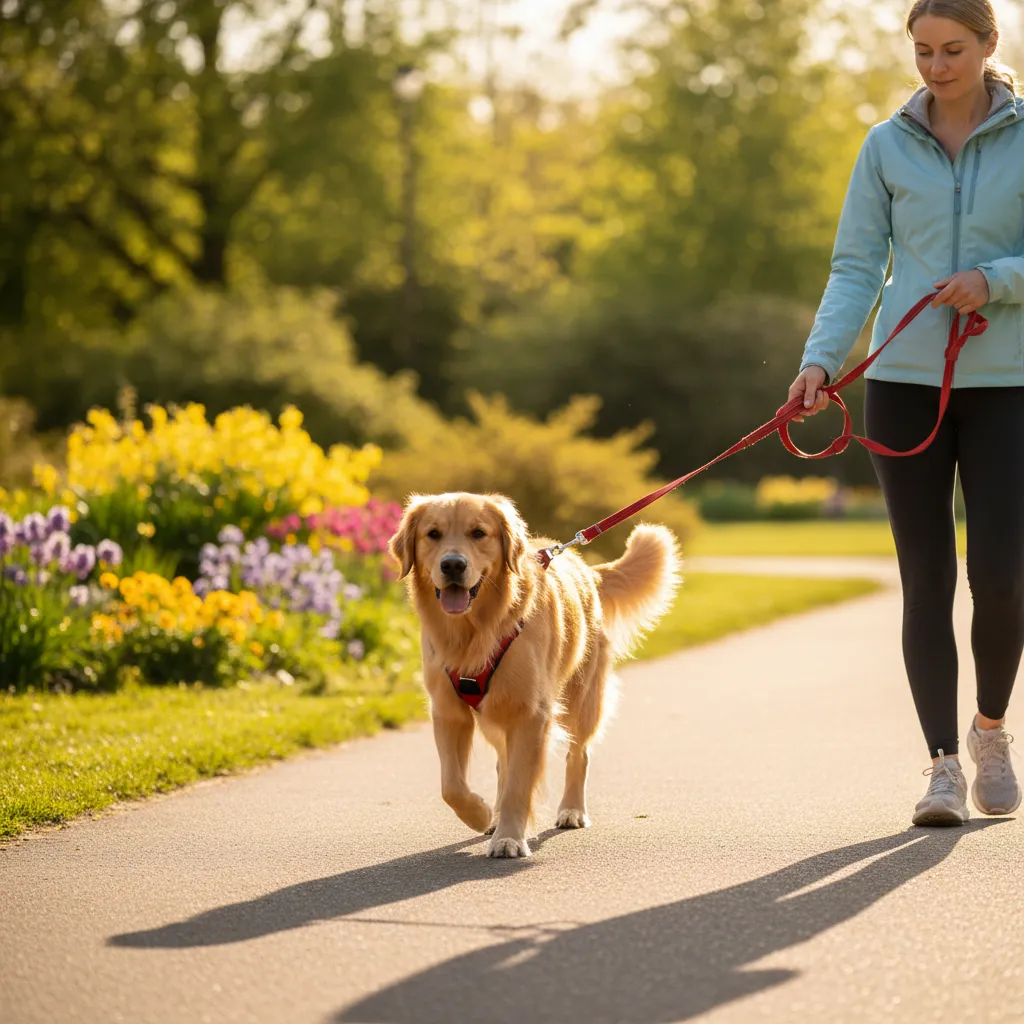
Walking your dog should be an enjoyable experience for both you and your pet. However, if your dog constantly pulls on the leash, it can be frustrating and even dangerous. Fortunately, there are effective techniques to address this issue and make your walks more pleasant.
Understanding Why Dogs Pull on the Leash
Dogs naturally have a strong desire to explore their surroundings. This instinct, combined with their excitement and energy levels, often leads them to pull on the leash. Some dogs may also pull because they have learned that it gets them where they want to go faster. Recognizing the underlying reasons for this behavior is the first step in addressing it effectively.
Training Techniques to Prevent Pulling
Using Positive Reinforcement
Positive reinforcement is a powerful tool in dog training. Rewarding your dog with treats or praise when they walk calmly beside you can reinforce good behavior. Always carry small, high-value treats during walks and reward your dog immediately when they exhibit the desired behavior.
Implementing the Stop-and-Go Method
The stop-and-go method can effectively teach your dog that pulling leads to a halt in movement. When your dog begins to pull, stop walking immediately. Wait until the leash is slack before resuming your walk. This approach teaches your dog that pulling does not lead to the desired outcome.
Utilizing the Turn-Around Technique
Another effective method is the turn-around technique. When your dog starts pulling, turn around and walk in the opposite direction. This unpredictable change can help your dog pay closer attention to your movements. Consistently applying this technique can reduce pulling over time.
Choosing the Right Equipment
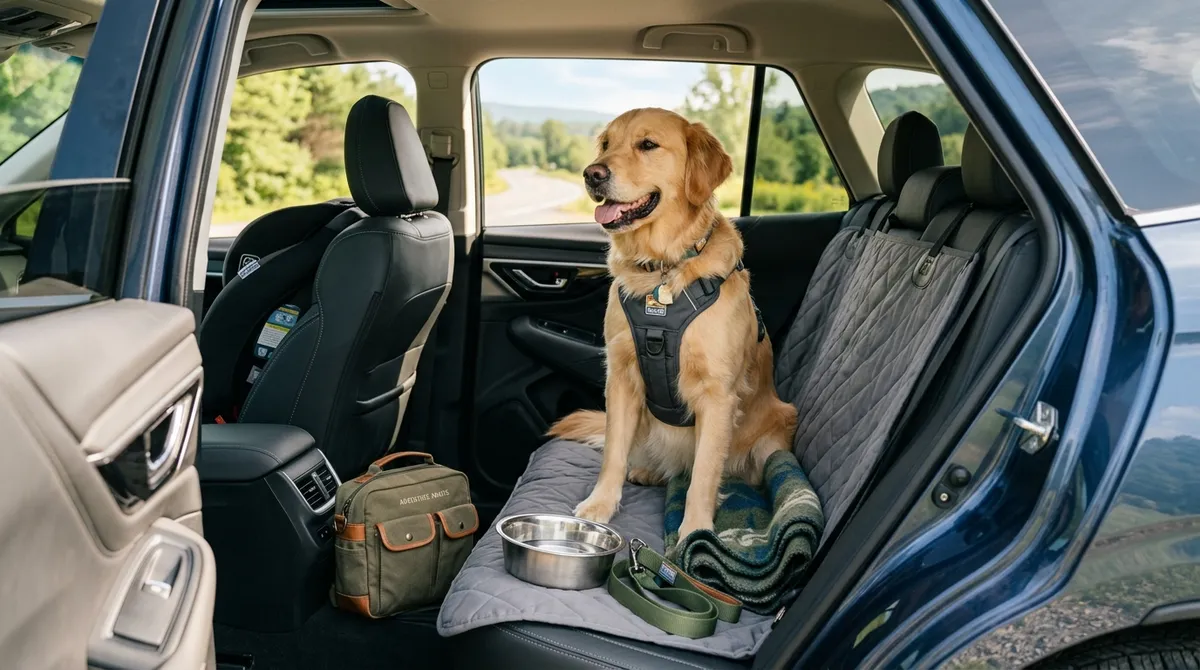
Selecting the appropriate walking equipment can make a significant difference. A well-fitted harness that discourages pulling can provide more control. Harnesses that clip in the front are particularly useful as they help steer your dog towards you when they pull.
Consistency is Key
Consistency is crucial when training your dog not to pull on the leash. Ensure that all family members are on the same page and use the same commands and techniques. Consistent training sessions, even if brief, can lead to better long-term results.
Patience and Persistence
Training a dog to walk without pulling requires patience and persistence. Every dog is different, and some may learn quicker than others. Stay committed to your training routine, and don't get discouraged if progress is slow. Celebrate small victories along the way, and remember that your dedication will pay off in the end.
Benefits of a Well-Behaved Walker
Teaching your dog to walk without pulling has numerous benefits. It not only makes walks more enjoyable but also strengthens the bond between you and your pet. Additionally, it ensures the safety of both you and your dog, reducing the risk of accidents during walks.
In conclusion, while leash pulling is a common challenge, it can be effectively managed with the right techniques and equipment. By understanding your dog's motivations and using positive reinforcement, you can train your furry friend to enjoy calm and controlled walks. Remember, the journey to a well-behaved walker is a rewarding one that enhances the quality of life for both you and your pet.