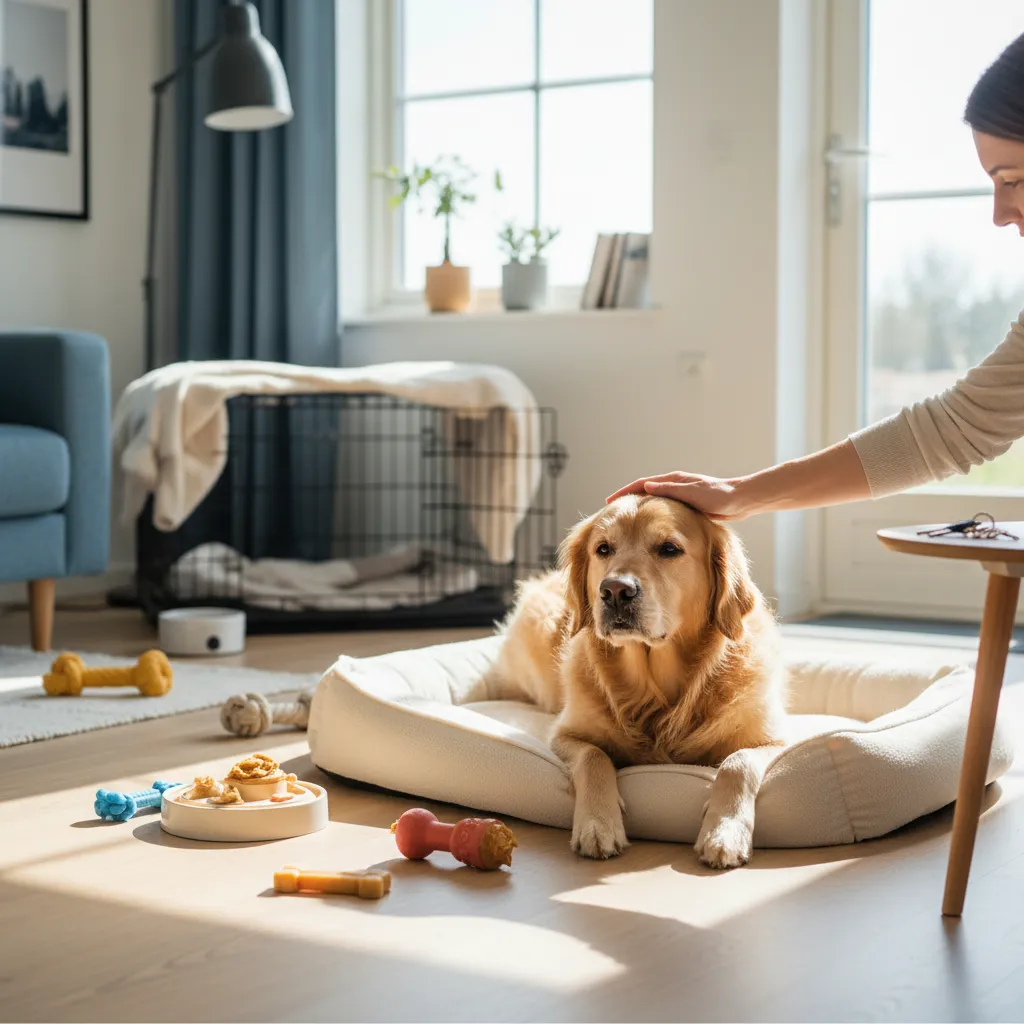
Leaving your dog at home can feel surprisingly emotional, especially when those eyes follow you to the door. Many owners wonder whether they should say goodbye to their dog or slip away quietly. The better answer is usually not about a dramatic farewell or a secret escape. It is about giving your dog calm, consistent signals that help them feel safe when you leave.
Should You Say Goodbye to Your Dog?
For years, some dog owners have been told to leave without any interaction. The idea was that a goodbye might make a dog more upset. However, many behaviour experts now advise a more balanced approach. Dogs often notice departure cues long before the front door closes. They see shoes going on, keys being picked up, bags being packed, and routines changing.
Sneaking out may avoid an immediate reaction, but it can create confusion. Your dog still discovers you have gone. Over time, that surprise can make some dogs more alert to every household movement. Instead of relaxing, they may start watching you closely because they cannot predict when you will disappear.
A short, relaxed goodbye can be helpful when it becomes part of a predictable routine. It tells your dog what is happening without adding stress. The key is to keep it gentle, brief, and emotionally neutral. A calm cue such as "back soon" can become reassuring when paired with positive experiences.
Why Sneaking Out Can Backfire
Dogs are skilled observers. Even if you think you have left unnoticed, your dog may already know something has changed. When an owner vanishes without warning, some dogs lose confidence in everyday routines. They may begin to worry whenever a person moves toward the door.
This can be especially difficult for dogs prone to separation anxiety. These dogs do not simply dislike being alone. They can experience real distress when separated from their trusted person. Signs may include barking, whining, pacing, drooling, destructive chewing, toileting indoors, or trying to escape.
Not every dog needs the same level of support. Some dogs settle quickly after a normal goodbye. Others need careful training to build confidence. What matters most is that your departure routine feels predictable and low-pressure. Surprise exits rarely teach a nervous dog that being alone is safe.
The Difference Between a Calm Goodbye and a Big Farewell
Saying goodbye does not mean hugging your dog for several minutes or speaking in an anxious voice. Dogs respond strongly to human emotion. If you act worried, your dog may assume there is a reason to worry too.
A helpful goodbye should be simple. Use the same phrase, offer a gentle pat if your dog enjoys it, and then leave without lingering. Avoid repeated returns to the room, high-pitched comfort, or long emotional speeches. These behaviours can increase anticipation and make the moment feel more dramatic.
Think of your goodbye as a cue, not a performance. It should communicate that everything is normal. When repeated consistently, it can become part of a routine your dog understands.
How Dogs Learn From Departure Cues
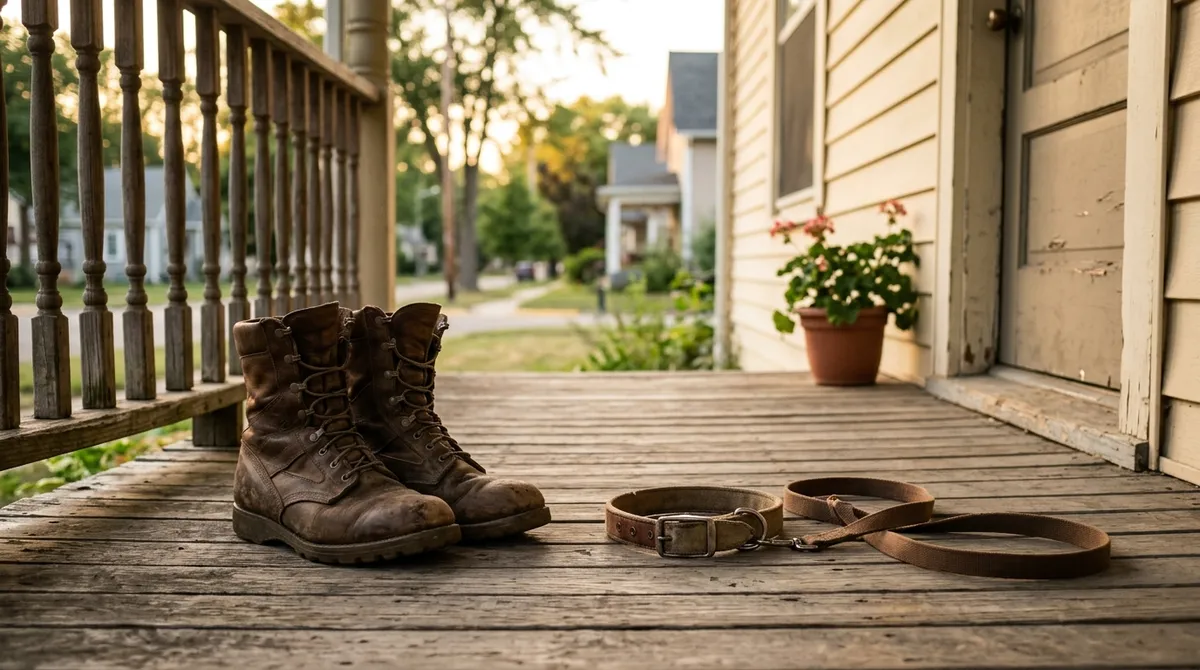
Most dogs recognise patterns quickly. They may connect your coat, laptop bag, or car keys with being left alone. For confident dogs, these signals may not cause concern. For anxious dogs, they can trigger stress before you even leave.
This is why training around departure cues can make a big difference. You can pick up your keys, then sit down again. You can put on your coat, then make a cup of tea. These small exercises help reduce the emotional charge around leaving signals. Your dog learns that these cues do not always predict separation.
When combined with calm goodbyes and gradual alone-time practice, this approach can help dogs feel more secure. It teaches them that your movements are not something to fear.
Creating a Dog-Friendly Leaving Routine
A good routine starts before you step outside. Make sure your dog has had a chance to toilet. Offer appropriate exercise based on their age, breed, and health. A short sniff walk can be more calming than high-energy play for some dogs.
Next, prepare a comfortable resting area. This may be a crate, a bed, a quiet room, or a safe space with familiar scents. Not all dogs enjoy confinement, so choose an option that suits your pet. The goal is comfort, not restriction.
Food enrichment can also help. A stuffed toy, lick mat, or safe chew may give your dog something positive to focus on as you leave. Licking and chewing can have a calming effect. Always choose items that are suitable for unsupervised use, and test them while you are home first.
A Simple Departure Routine to Try
Begin by keeping your energy steady. Put your essentials together without rushing. Give your dog their enrichment item in their safe area. Say your chosen goodbye phrase in a relaxed tone. Then leave promptly and calmly.
When you return, keep greetings warm but controlled. Excited reunions may feel natural, but they can make your absence seem more intense. Wait for your dog to settle before offering big affection. This helps show that departures and returns are normal parts of the day.
Helping Dogs With Separation Anxiety
If your dog becomes distressed when left alone, a goodbye routine alone may not be enough. Separation anxiety often requires gradual training. This means building alone time in tiny steps your dog can handle.
Start with very short absences. For some dogs, this may be only a few seconds behind a baby gate or closed door. Return before panic begins. Over time, slowly increase the duration. Progress should be based on your dog's comfort, not a fixed timetable.
Video monitoring can help you understand what happens after you leave. Some dogs bark briefly and then sleep. Others become more distressed as time passes. Watching your dog's behaviour allows you to adjust training and avoid pushing too far too soon.
For severe cases, speak to a qualified clinical animal behaviourist or your vet. Pain, illness, age-related changes, and past trauma can all affect how a dog copes alone. Professional support can identify the best plan for your dog's needs.
Common Mistakes Owners Make When Leaving Dogs Alone
One common mistake is waiting until the dog is already upset before trying to leave. If your dog is barking, jumping, or blocking the doorway, they are not in a good learning state. Practise calm mini-departures when your dog is relaxed.
Another mistake is only using enrichment when leaving for long periods. If a special chew always means several hours alone, anxious dogs may become suspicious of it. Offer the same activities at random times when you stay home too.
Owners may also increase stress by changing routines too often. Dogs usually cope better when they know what to expect. A consistent goodbye phrase, safe resting place, and calm return can all support emotional stability.
How Long Can Dogs Be Left Alone?
There is no single rule for every dog. Age, breed, health, temperament, training history, and previous experiences all matter. Puppies, senior dogs, and dogs with medical needs usually require more frequent care. Rescue dogs may also need extra time to adjust to a new home.
Adult dogs that are comfortable alone may manage a few hours with proper preparation. However, long absences should not become the norm without support. Dog walkers, pet sitters, daycare, or trusted friends can help break up the day.
Quality of alone time matters too. A dog left after exercise, toileting, and enrichment may cope better than a dog left suddenly in a busy or stressful environment. Comfort and predictability are essential.
What Your Dog Needs Most Is Trust
The question is not simply whether you should say goodbye or sneak out. It is whether your dog understands that leaving is safe and temporary. Trust grows through repetition, calm handling, and positive associations.
A brief goodbye can strengthen that trust when used correctly. It gives your dog information without overwhelming them. Sneaking away may seem kinder in the moment, but it can leave some dogs feeling uncertain.
Every dog is different, so pay attention to body language. A relaxed dog may stretch, settle, chew, or sleep. A worried dog may pace, pant, vocalise, follow intensely, or refuse food. These signals tell you whether your routine is working.
Conclusion
Most dogs benefit from a calm and predictable leaving routine. Instead of sneaking out, use a simple goodbye cue, provide a safe space, and keep departures low-key. Avoid emotional farewells, but do not vanish without warning either. With patience, consistency, and the right support, many dogs can learn that being alone is not frightening. A thoughtful routine can make daily departures easier for both you and your pet.