
In recent years, concerns over fuel shortages have periodically captured public attention. With the global reliance on petrol for transportation and industry, any disruption in supply can lead to widespread anxiety. As such, understanding the factors contributing to these shortages and exploring potential solutions is essential for consumers and policymakers alike.
One significant factor contributing to fuel shortages is geopolitical instability. Many oil-producing regions experience political tensions and conflicts that can disrupt supply chains. For instance, conflicts in the Middle East often lead to fluctuations in oil production, affecting global markets. These geopolitical dynamics can cause uncertainty among suppliers and consumers, leading to price hikes and scarcity fears.
The Impact of Natural Disasters
Natural disasters also play a significant role in fuel availability. Hurricanes, floods, and earthquakes can damage infrastructure, including refineries and transportation networks, leading to temporary disruptions in fuel supply. For instance, hurricanes in the Gulf of Mexico often impact oil production and refining capabilities, causing short-term shortages and price increases.
Economic Factors and Demand
Economic factors, such as demand fluctuations, can also influence fuel availability. During periods of rapid economic growth, increased demand for fuel may outpace supply, leading to shortages. Conversely, during economic downturns, reduced demand can impact fuel production levels, affecting long-term supply stability. Balancing supply and demand is a complex challenge for the global economy.
Exploring Alternative Energy Sources
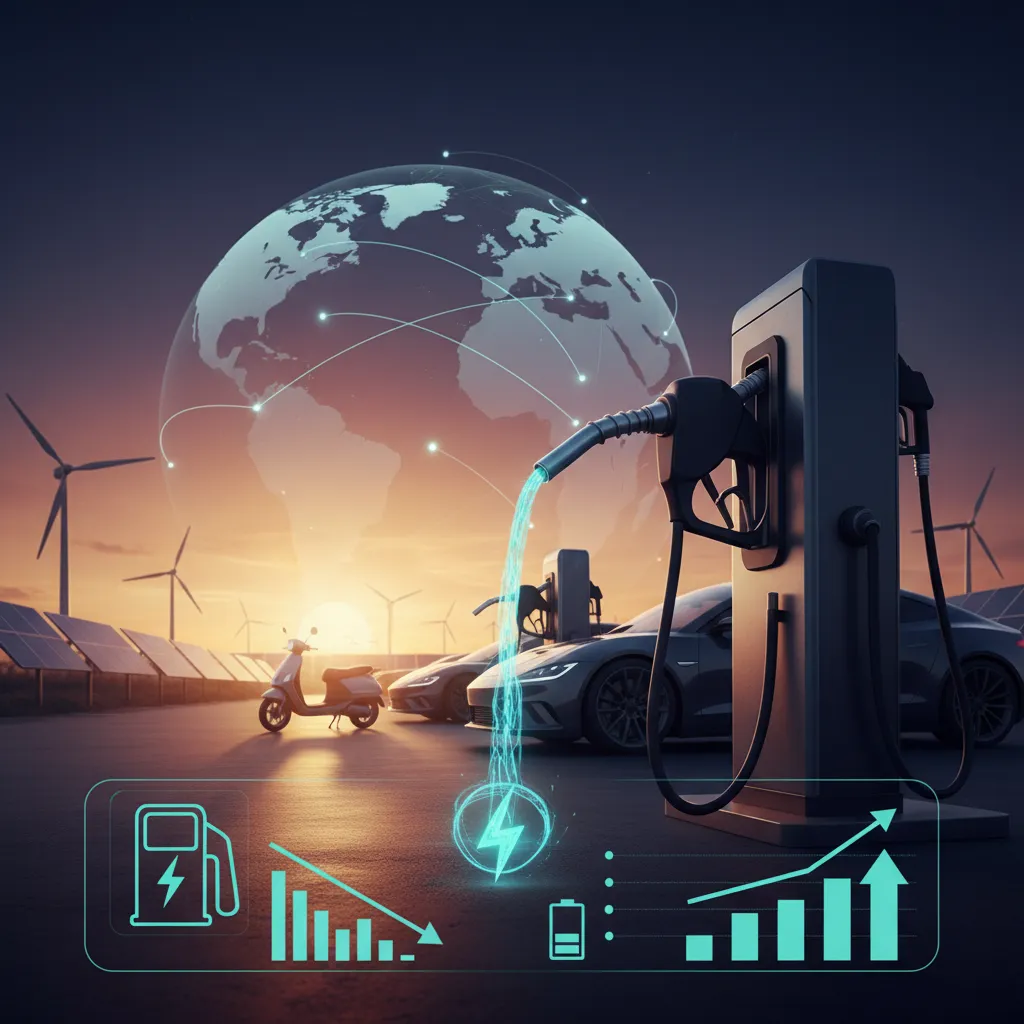
To mitigate the risks associated with fuel shortages, exploring alternative energy sources is crucial. Renewable energy technologies, such as solar, wind, and electric vehicles, offer sustainable solutions to reduce dependence on fossil fuels. Governments and industries worldwide are investing in these technologies to create a more resilient and diversified energy landscape.
Policy Measures and Preparedness
Effective policy measures can also help manage fuel shortages. Governments can implement strategic reserves, regulate fuel prices, and promote energy efficiency to cushion the impact of supply disruptions. Encouraging public transportation, carpooling, and energy-saving practices can also contribute to reducing reliance on petrol.
Community and Consumer Actions
Individuals and communities play a vital role in addressing fuel shortages. By adopting energy-efficient habits and supporting local initiatives aimed at sustainable energy use, consumers can contribute to reducing demand for petrol. Community awareness and education on energy conservation can lead to significant changes in consumption patterns.
Conclusion
Fuel shortages, driven by various factors such as geopolitical tensions, natural disasters, and economic shifts, highlight the need for a multifaceted approach to energy security. By investing in alternative energy sources, implementing effective policies, and encouraging community action, we can better prepare for and mitigate the impacts of fuel disruptions. As the world moves towards a sustainable energy future, reducing dependence on traditional fuels is not only prudent but essential for long-term stability.