
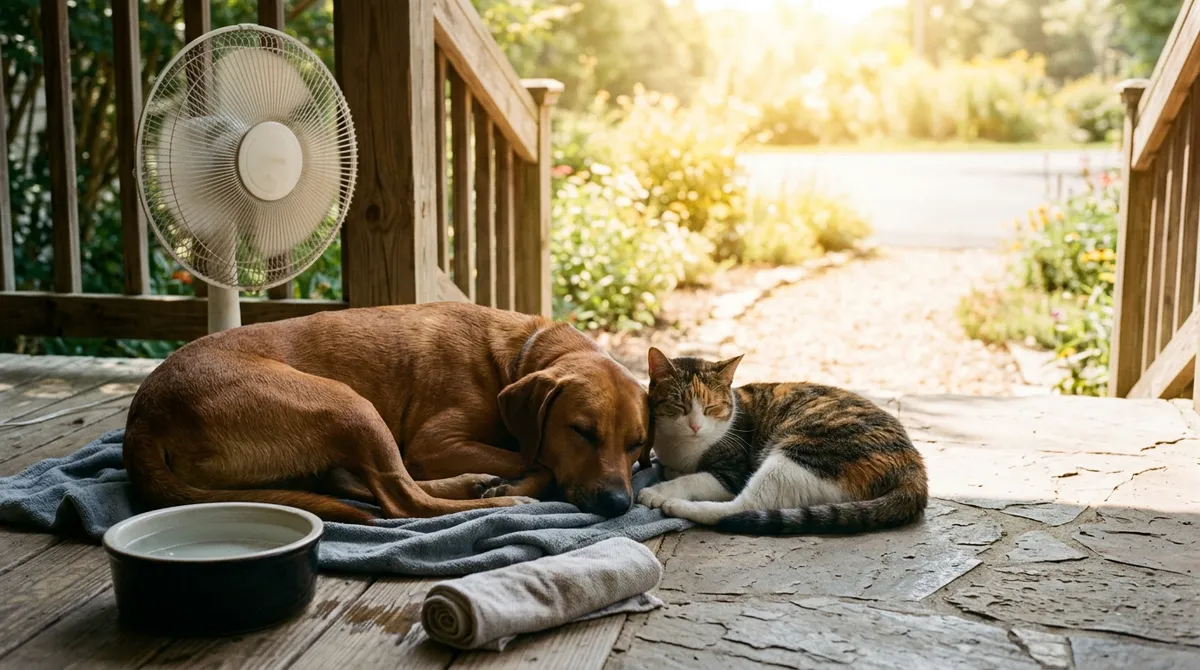
Summer Heat Poses Real Dangers to Pets
As summer temperatures climb, pet owners face serious challenges keeping their furry companions safe and healthy. According to experts from the Metairie Humane Shelter, pets are vulnerable to multiple heat-related health risks including dehydration, heat stroke, and paw pad burns during the hottest months of the year.
Jami Hirstius from the Metairie Humane Shelter emphasizes that pet owners need actionable, expert-backed strategies to protect their animals during peak heat season. The guidance comes at a critical time when many pet parents may underestimate the severity of heat-related dangers their pets face.
Understanding Heat-Related Health Risks
The summer months bring multiple threats to pet health that owners should recognize. Dehydration represents one of the most common and serious concerns, as pets can quickly lose essential fluids in high temperatures. Heat stroke poses an even more severe risk, potentially leading to organ failure or death if not addressed immediately.
Paw pad burns present another often-overlooked danger. Hot pavement, sand, and other surfaces can cause painful injuries to pets' sensitive foot pads, making walks uncomfortable or even impossible.
Recognizing Emergency Warning Signs
According to reports, every pet owner should be able to identify emergency warning signs that indicate their pet may be suffering from heat-related illness. These critical indicators can help determine when immediate veterinary intervention is necessary.
Early recognition of these symptoms can mean the difference between a minor heat-related incident and a life-threatening emergency requiring urgent medical attention.
Breed-Specific Vulnerabilities
Not all pets face equal risks when temperatures rise. Certain breeds and age groups require extra attention and protection during summer months. Brachycephalic breeds—those with shortened airways and flat faces—are particularly susceptible to heat-related complications due to their compromised breathing abilities.
Senior pets also face increased vulnerability, as their bodies may struggle more to regulate temperature effectively. Outdoor animals require special consideration, as they face prolonged exposure to high temperatures and direct sunlight.
Hydration and Protection Strategies
According to the Metairie Humane Shelter guidance, keeping pets properly hydrated represents a fundamental component of summer safety. Pet owners must ensure constant access to fresh, clean water and monitor their animals' drinking habits throughout hot days.
Protection strategies extend beyond simple hydration, encompassing multiple approaches to temperature management and heat avoidance. These comprehensive measures help create a safer environment for pets during extreme weather conditions.
DIY Solutions vs. Commercial Products
Pet owners have options when it comes to cooling solutions for their animals. DIY approaches can provide effective relief using common household items, while commercial products like cooling mats and specialized water bowls offer more sophisticated temperature management.
The choice between homemade and purchased cooling solutions often depends on individual pet needs, owner preferences, and budget considerations. Both approaches can be effective when implemented properly.
Year-Round Preparedness Planning
Effective pet heat safety extends beyond reactive measures during hot days. According to reports, a seasonal pet care calendar approach helps owners prepare for temperature extremes throughout the year, ensuring they're never caught unprepared when heat waves strike.
This proactive planning includes equipment preparation, emergency protocol development, and ongoing education about heat safety best practices. By thinking ahead, pet owners can create comprehensive protection systems that activate automatically when temperatures rise.
Taking Action for Pet Safety
The expert guidance from the Metairie Humane Shelter underscores the importance of taking heat safety seriously. With proper preparation, recognition of warning signs, and implementation of protective measures, pet owners can help ensure their furry friends stay safe and comfortable throughout the summer months.
Understanding breed-specific needs, maintaining proper hydration, and having emergency plans in place creates a foundation for successful summer pet care that protects animals from heat-related health complications.