As summer temperatures continue to climb, dog owners face increased challenges in keeping their beloved pets safe from seasonal hazards. From heatstroke risks to toxic lawn products, the warmer months present unique dangers that require proactive planning and awareness.
Recognizing Heatstroke Warning Signs
According to reports, recognizing heatstroke symptoms is crucial for every dog owner during summer months. Dogs are particularly vulnerable to overheating due to their limited ability to cool themselves through panting alone. Early detection can prevent a medical emergency from developing into a life-threatening situation.
Pet owners should be vigilant for signs that their dog may be overheating, especially during outdoor activities or when temperatures soar. Quick action and awareness of these warning signs can make the difference between a minor incident and a veterinary emergency.
Safe Walking Practices During Hot Weather
Reports indicate that timing and surface selection are critical factors for safe summer walks. Hot pavement can cause serious burns to dogs' paw pads, making surface temperature checks essential before heading outdoors.
The best approach involves scheduling walks during cooler parts of the day and testing pavement temperature with your hand. If the surface feels too hot for your palm, it's too hot for your dog's paws. Seeking shaded routes and grassy areas can provide additional protection from heat-related injuries.
Yard Hazards That Threaten Pet Safety
Summer yard maintenance introduces various toxic risks that can poison pets, according to reports. Lawn products, fertilizers, and pest control chemicals pose serious dangers to dogs who may come into contact with treated areas.
Pet owners should carefully read product labels and keep dogs away from recently treated lawn areas. Many common yard chemicals can cause illness if dogs walk through treated grass and later lick their paws, making awareness of application timing crucial for pet safety.
Effective Cooling Products for Summer Relief
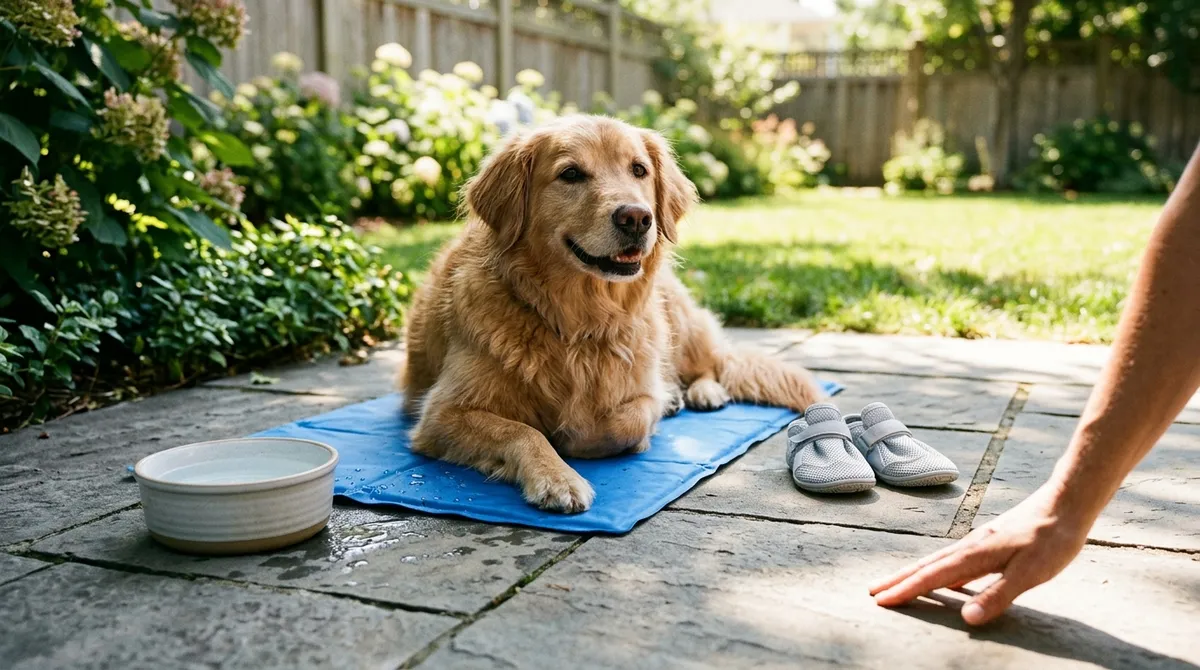
Reports highlight several cooling products that can help dogs manage summer heat more effectively. Elevated beds provide improved air circulation, while cooling mats offer direct temperature relief for overheated pets.
Water fountains encourage increased hydration, which is essential for temperature regulation during hot weather. Paw protectors can shield sensitive foot pads from hot surfaces during unavoidable daytime outings.
For budget-conscious pet owners, reports suggest considering alternatives to commercial cooling products while maintaining the same protective benefits for their dogs.
Pest Prevention and Control Strategies
Summer brings increased activity from fleas, ticks, and other insects that can transmit diseases to dogs. According to reports, heartworm prevention becomes especially important during warmer months when mosquito activity peaks.
Regular flea and tick prevention measures help protect dogs from uncomfortable bites and potential disease transmission. Consulting with veterinarians about appropriate prevention products ensures dogs receive proper protection throughout the summer season.
Creating a Summer Safety Checklist
Reports emphasize the value of developing a practical summer safety checklist that helps pet owners identify risks before they become emergencies. This proactive approach allows families to prepare for longer walks, extended backyard time, travel plans, and adjusted summer routines.
The checklist approach enables pet owners to systematically address each potential hazard while ensuring they have necessary supplies and knowledge to keep their dogs safe throughout the season.
Preparing for Seasonal Routine Changes
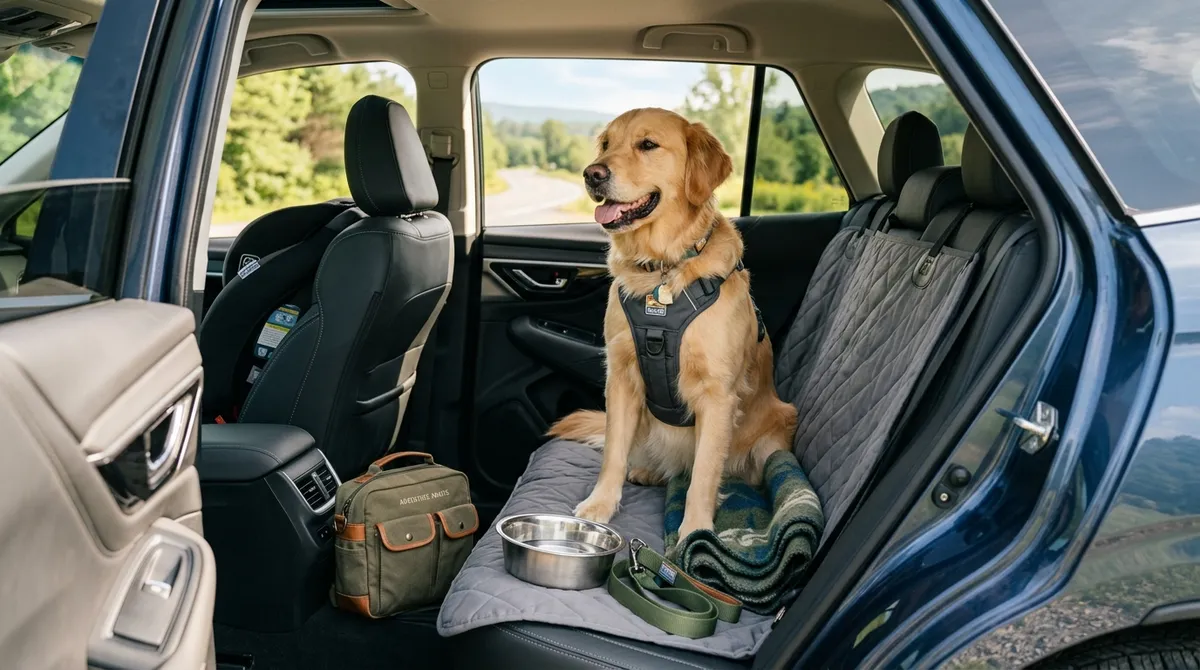
As families adjust their schedules for summer activities, dogs require corresponding adjustments to their care routines. Reports indicate that preparation for travel, outdoor gatherings, and extended daylight hours requires advance planning to maintain pet safety.
Understanding how seasonal changes affect dogs helps owners make informed decisions about outdoor activities, exercise timing, and protective measures. This preparation becomes especially important for families planning summer vacations or increased outdoor entertaining.
By staying informed about summer-specific risks and implementing appropriate safety measures, dog owners can ensure their pets enjoy the warmer months safely and comfortably while avoiding preventable heat-related emergencies and seasonal hazards.