Training your dog can be a rewarding yet challenging experience. With the right techniques, you can transform even the most unruly pet into a well-behaved companion. An experienced dog trainer recently shared a straightforward method that has been proven to work effectively with dogs of various breeds and temperaments.
Understanding Canine Behavior
Understanding your dog's behavior is the first step in successful training. Dogs are naturally eager to please their owners, but they need guidance to understand what is expected of them. Observing your dog's natural tendencies and reactions helps you tailor your training approach.
Positive Reinforcement
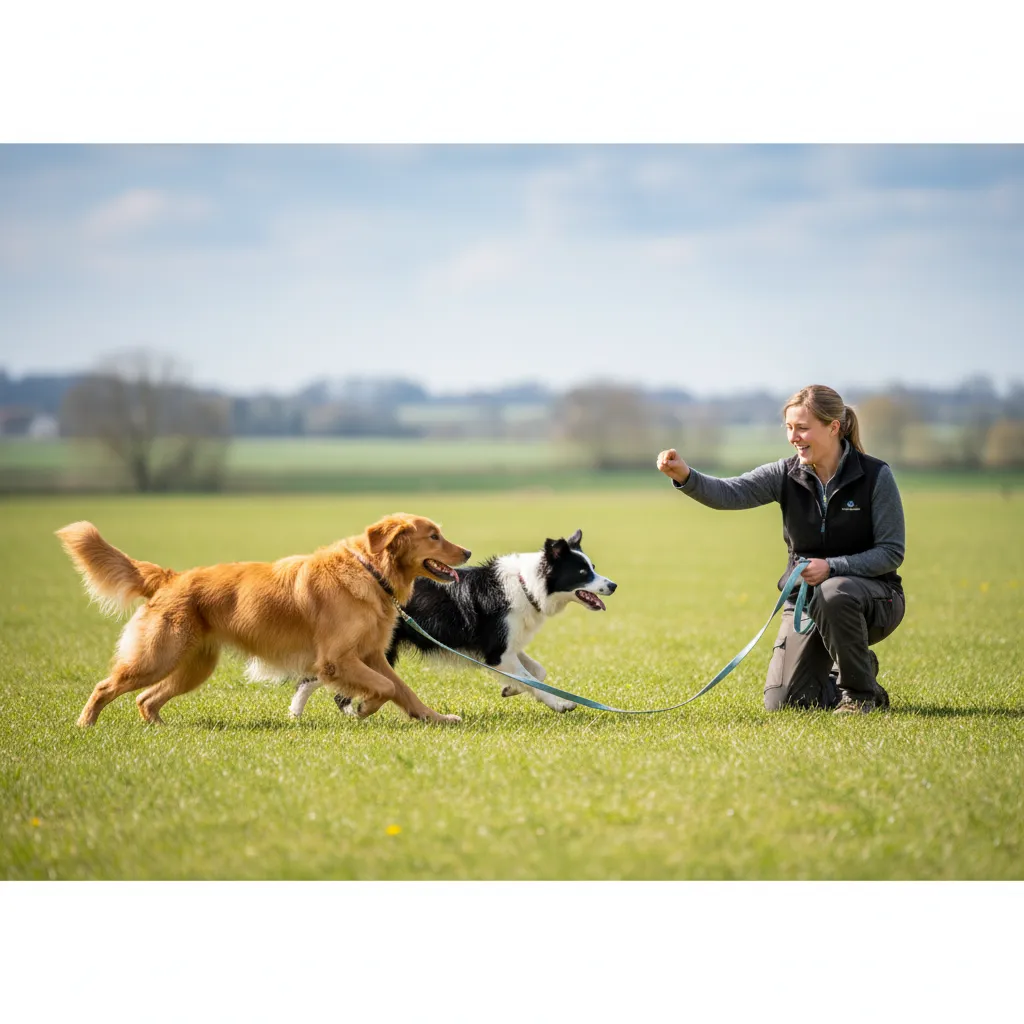
Positive reinforcement is a key technique in dog training. This method involves rewarding your dog with treats, praise, or play whenever they display desired behavior. This not only encourages them to repeat the behavior but also strengthens your bond.
For instance, when teaching your dog to sit, you can use a treat to guide them into the sitting position. Once they comply, immediately reward them to reinforce the action. Over time, your dog will associate sitting on command with positive outcomes.
Consistency is Key
Consistency is vital in any training regimen. Dogs thrive on routine and clear expectations. Ensure that all family members use the same commands and rewards system to avoid confusion.
It's also important to maintain regular training sessions. Short, frequent sessions are more effective than long, sporadic ones. This helps keep your dog engaged and prevents them from becoming overwhelmed.
Establishing Clear Commands
Using clear and concise commands is crucial. Choose one-word commands such as "sit," "stay," or "come" and stick to them. Avoid using similar-sounding words that might confuse your dog.
When your dog successfully responds to a command, use a cheerful tone to reward them. Consistent verbal cues help your dog learn faster and respond more reliably over time.
Addressing Behavioral Issues
Every dog is unique and may exhibit specific behavioral issues that require attention. Common issues include excessive barking, jumping on people, or pulling on the leash.
To address these, identify the triggers and work on them systematically. For example, if your dog barks excessively when the doorbell rings, practice desensitization by simulating the sound and rewarding calm behavior.
Patience and Persistence
Training a dog requires patience and persistence. Not all dogs learn at the same pace, and setbacks are normal. Stay calm and positive, and celebrate small victories along the way.
Remember that training is an ongoing process. Consistency, patience, and a positive approach will yield the best results, ensuring your dog remains a well-behaved member of your family.
Conclusion
Training your dog doesn't have to be a daunting task. By understanding their behavior, using positive reinforcement, and maintaining consistency, you can effectively teach your dog essential commands and address behavioral issues. With time and patience, you'll enjoy a stronger bond with your furry friend and a harmonious home environment.