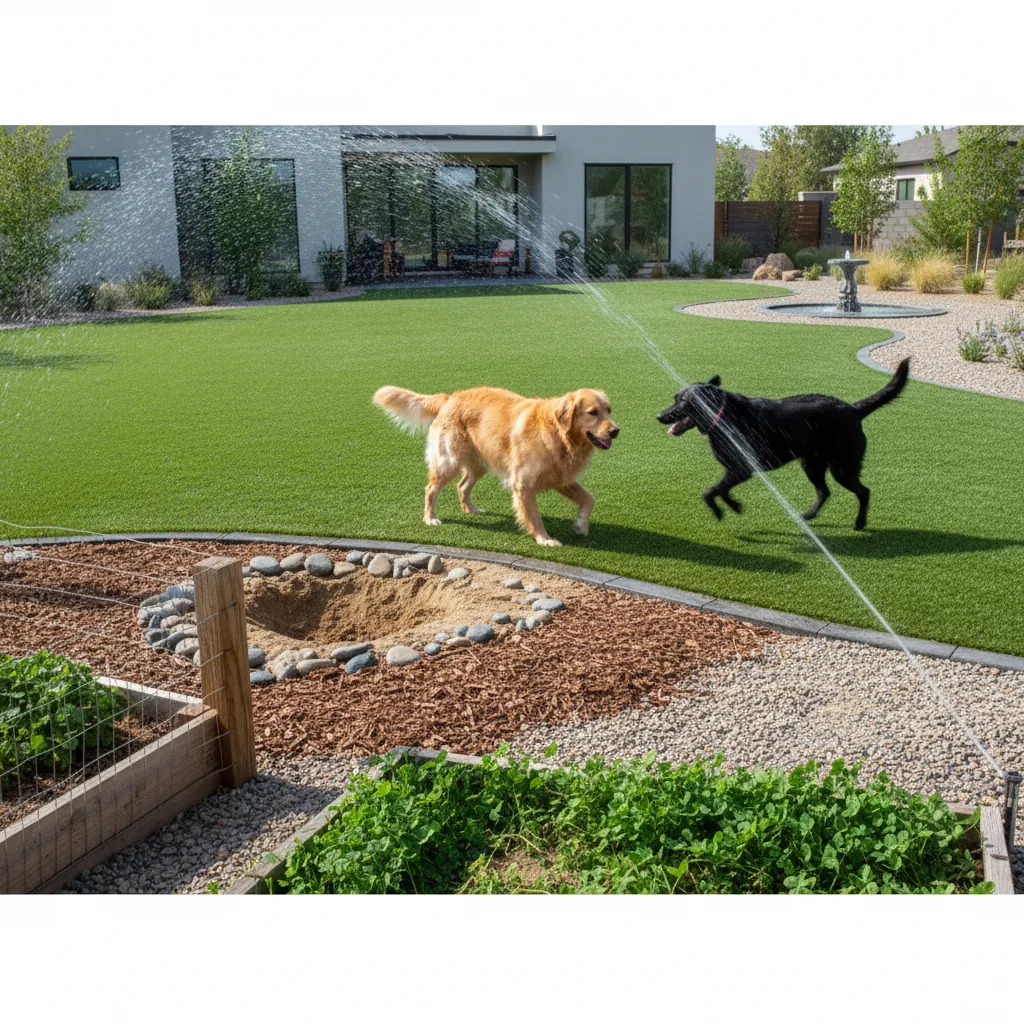
A beautiful lawn and an energetic dog can live together, but it takes planning. Urine spots, surprise craters, and wild bursts of zoomies can all damage turf fast. The good news is that most dog lawn damage has a clear cause and a practical fix. With smarter training, tougher grass choices, and a few pet-safe lawn care habits, you can protect your yard without limiting your dog's fun.
Why dogs damage lawns
Dogs do not ruin grass on purpose. Most lawn problems come from normal canine behavior. They need bathroom breaks, exercise, stimulation, shade, and places to explore. A yard often becomes the easiest place to meet all those needs.
Common damage falls into three main categories. Urine can leave yellow or brown patches. Digging can expose roots and create uneven ground. Running, turning, and sliding can wear down grass in high-traffic areas. Each issue needs a different repair strategy.
The best solution is not one single product. A dog-friendly lawn usually combines prevention, quick response, training, and durable landscaping. When those elements work together, the grass has a much better chance of recovering.
How to prevent dog urine burn on grass
Dog urine can scorch grass because it contains concentrated nitrogen and salts. In small amounts, nitrogen can feed turf. In heavy doses, it overwhelms the blades and roots. This creates the familiar yellow patch with darker green grass around the edge.
The simplest fix is dilution. After your dog urinates, rinse the spot with water as soon as possible. A watering can, hose, or outdoor tap attachment works well. This spreads the nitrogen through the soil before it can burn the grass.
Training also helps. Choose a specific bathroom zone and guide your dog there consistently. Reward them when they use that area. Over time, many dogs learn to treat it as their regular potty spot. Gravel, mulch, artificial turf, or a hidden corner can all work well.
If you prefer grass in the toilet area, choose tougher varieties. Perennial ryegrass and some fescues often cope better with wear than delicate ornamental turf. Clover can also be useful in mixed lawns because it stays green and handles nitrogen differently.
A healthy lawn resists urine damage better than stressed grass. Water deeply when needed, mow at the right height, and avoid overfeeding with nitrogen fertilizer. Too much fertilizer can make urine burn worse because the grass already has excess nitrogen.
What not to do for urine spots
Be cautious with supplements that claim to change your dog's urine. Never alter your pet's diet or water chemistry without veterinary guidance. Some products may not suit dogs with medical conditions. Lawn care should never come at the expense of pet health.
Also avoid harsh chemical treatments on fresh urine patches. The safest approach is usually water first, then repair. Once the area is stable, rake out dead grass, loosen the soil, add seed, and keep it moist until new growth appears.
How to stop dogs digging holes in the yard
Digging can happen for many reasons. Dogs may dig because they are bored, anxious, hot, curious, or chasing scents. Some breeds are also natural diggers. Terriers, huskies, dachshunds, and many working breeds may find digging especially rewarding.
Before repairing holes, work out why your dog digs. A dog digging near a fence may want to escape or investigate sounds. A dog digging under shrubs may want a cool resting spot. A dog digging random holes may need more exercise or mental enrichment.
Create a legal digging area if your dog loves the activity. A sandpit, loose-soil corner, or raised digging box can redirect the behavior. Bury safe toys or treats there. Praise your dog when they dig in the approved zone. Interrupt digging elsewhere calmly, then guide them back.
For fence-line digging, add barriers. You can place large stones along the base, install buried mesh, or extend fencing below ground. Make sure all materials are safe and have no sharp edges. The goal is to block escape routes without creating injury risks.
Shade and cooling stations can reduce heat-related digging. Provide fresh water, shaded resting spots, and cooling mats during warm weather. If your dog digs shallow beds to cool down, the lawn may be telling you the yard is too exposed.
Repairing holes safely
Do not simply fill a hole with loose soil and walk away. Dogs often return to freshly disturbed ground. First, remove any stones, roots, or unsafe objects. Refill the hole with soil, firm it gently, then overseed if needed.
For repeated digging spots, cover repairs temporarily. Use a small barrier, lawn repair mat, or lightweight fencing until the grass recovers. Keep your dog away from new seed and fertilizers unless the product label confirms it is pet-safe after application.
Protecting grass from zoomies and running tracks
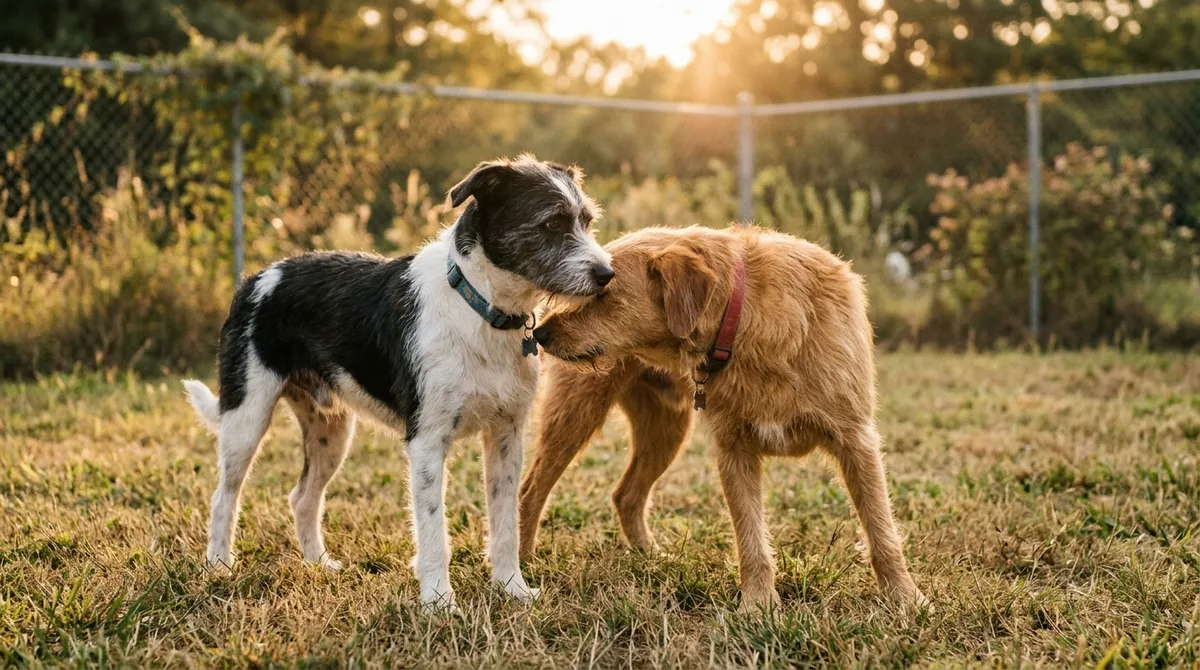
Zoomies are joyful, but they can be brutal on turf. Sudden acceleration, tight turns, and hard stops tear grass blades and compact soil. Over time, dogs often create worn paths along fences, patios, gates, and favorite chasing routes.
Instead of fighting your dog's preferred route, design around it. If your dog always runs the same line, consider adding a path with mulch, pea gravel, stepping stones, or dog-safe paving. This protects the lawn and gives your pet a practical track.
High-traffic grass needs stronger maintenance. Aerate compacted soil once or twice a year. Overseed thin areas during the best growing season for your region. Keep grass slightly taller so the blades can shade roots and recover from wear.
Watering matters, too. Shallow watering encourages weak roots. Deep, less frequent watering helps turf grow stronger root systems. Strong roots are better able to handle running, play, and paw pressure.
If zoomies happen after long periods indoors, add more structured exercise. Walks, training games, scent work, and fetch sessions can reduce the intensity of yard sprints. Your dog still gets energy out, but the lawn takes fewer repeated hits.
Choose dog-friendly grass and landscaping
The right lawn mix depends on climate, sunlight, and dog activity. Cool-season lawns may benefit from fescue or perennial ryegrass. Warm-season yards may use Bermuda grass or zoysia in suitable regions. These options can tolerate wear better than fragile grasses.
No grass is completely dog-proof. However, dense, healthy turf repairs faster. Overseeding bare spots, feeding appropriately, and controlling weeds all improve resilience. A thin lawn turns into mud quickly when dogs play after rain.
Consider mixing lawn with hardwearing landscape zones. A patio near the door prevents muddy entry points. Mulched beds can protect tree bases. A designated dog run can preserve the main lawn for relaxing and entertaining.
Always check plant safety before landscaping. Some common garden plants are toxic to pets. If your dog chews plants, choose non-toxic options and avoid cocoa mulch. Supervise young dogs and puppies closely in new garden areas.
Use pet-safe lawn care products
Fertilizers, weed killers, moss treatments, and pesticides all need careful handling around pets. Read labels fully before use. Follow re-entry times exactly. Even products marketed as natural can irritate paws, skin, or stomachs if used incorrectly.
When possible, choose lawn care methods that reduce chemical reliance. Regular mowing, hand weeding, overseeding, aeration, and proper watering can solve many problems. A thick lawn naturally crowds out weeds and handles dog traffic better.
After applying any lawn product, keep dogs indoors or in another area until the lawn is safe. Store bags, bottles, and spreaders where pets cannot reach them. Dogs may lick granules, chew packaging, or drink from treated puddles.
A simple dog-proof lawn routine
Daily habits make the biggest difference. Rinse urine spots quickly. Pick up waste promptly. Remove toys that encourage digging in the wrong places. Watch for new worn patches and repair them before they expand.
Weekly, inspect fence lines, gates, and favorite running routes. Look for soft soil, exposed roots, and developing holes. Rake thin areas and note where your dog spends most of their time. These clues help you plan better yard zones.
Seasonally, aerate compacted areas, overseed bare patches, and refresh mulch or gravel paths. Adjust watering for weather conditions. In hot spells, protect grass from stress and give your dog cooler places to rest.
Conclusion
A dog-friendly lawn is not about perfection. It is about balance. Dogs need space to run, sniff, dig, and relax. Grass needs water, recovery time, and protection from repeated stress. When you understand the cause of each problem, the fixes become much easier.
Train your dog to use specific zones, repair damage early, and build tougher surfaces where paws hit hardest. With the right approach, you can enjoy a green, welcoming yard and still give your dog the outdoor freedom they love.