
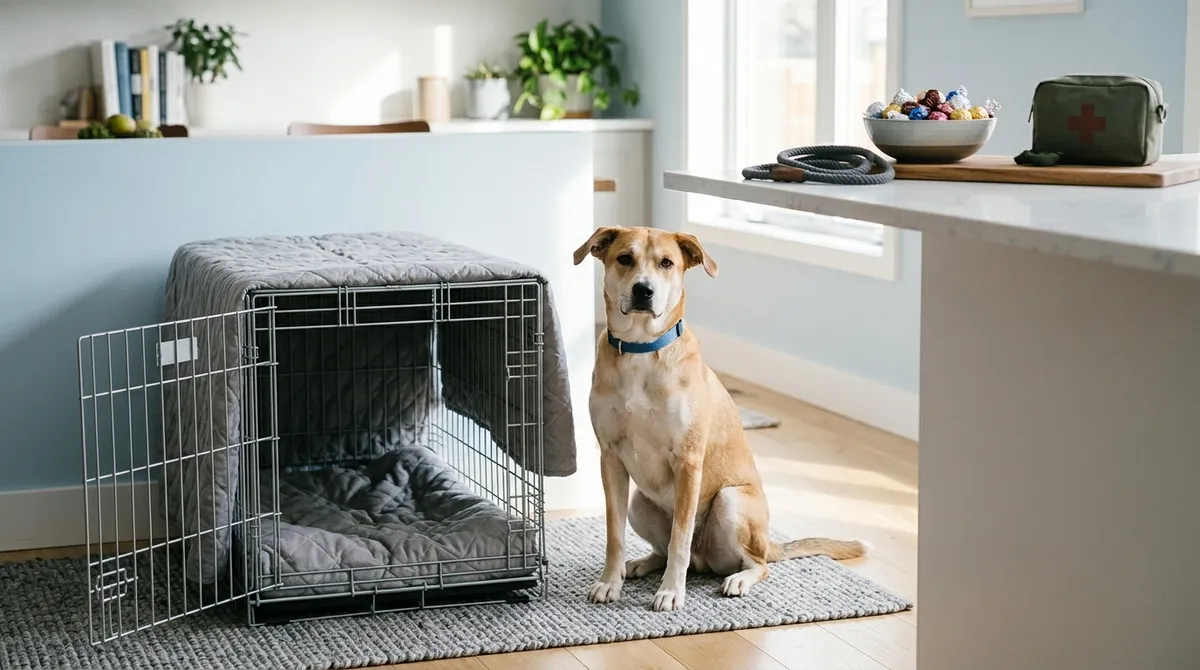
Getting Crate Sizing Right for Your Dog
With pet ownership at an all-time high, many new dog owners find themselves navigating unfamiliar territory when it comes to basic pet care. According to reports, selecting an appropriately sized crate ranks among the most common concerns for first-time pet parents, alongside understanding emergency protocols for common household dangers.
Proper crate sizing is essential for both your dog's comfort and safety. The crate should provide adequate space for your dog to stand, turn around, and lie down comfortably, but shouldn't be so large that it defeats the purpose of creating a secure, den-like environment.
Why Crate Training Matters
Crate training serves multiple purposes beyond simple containment. When done correctly, it can help with house training, provide a safe space for anxious dogs, and prevent destructive behavior when owners are away. However, many pet owners harbor misconceptions about crate training that can impact its effectiveness.
The key is understanding that a crate should never be used as punishment, but rather as a positive space your dog associates with comfort and security. This mindset shift is crucial for successful implementation.
Measuring Your Dog for the Perfect Fit
To determine the right crate size, measure your dog from nose to tail and from floor to the top of their head when standing. Add 2-4 inches to each measurement to ensure adequate space. For growing puppies, consider their expected adult size to avoid purchasing multiple crates.
When Your Dog Eats Chocolate: Emergency Response
Chocolate toxicity represents a year-round concern for dog owners, with incidents spiking during holidays when chocolate treats are more readily available throughout homes. Understanding the warning signs and knowing when veterinary intervention is critical can be lifesaving.
Understanding Chocolate Toxicity
Not all chocolate poses the same level of danger to dogs. According to reports, the type of chocolate and your dog's weight are crucial factors in determining the severity of potential toxicity. Dark chocolate and baking chocolate contain higher levels of theobromine, the compound that makes chocolate dangerous for dogs.
Warning Signs to Watch For
After chocolate ingestion, pet owners should monitor their dogs closely for specific symptoms that indicate toxicity. These warning signs can appear within hours of consumption and may include vomiting, diarrhea, excessive panting, restlessness, and increased heart rate.
More severe symptoms that require immediate veterinary attention include muscle tremors, seizures, and collapse. The severity and timeline of symptoms depend on the amount and type of chocolate consumed, as well as the dog's size and individual sensitivity.
When to Call the Veterinarian
Time is critical when dealing with chocolate toxicity. Pet owners should contact their veterinarian or emergency animal clinic immediately if their dog has consumed any amount of chocolate, especially dark chocolate or baking chocolate. Even if symptoms haven't appeared, early intervention can prevent more serious complications.
Veterinary professionals can assess the situation based on the type of chocolate, amount consumed, and your dog's weight to determine the appropriate course of action. In some cases, inducing vomiting may be recommended, but this should only be done under professional guidance.
Building Emergency Preparedness
Both proper crate sizing and understanding chocolate toxicity fall under the broader category of pet emergency preparedness. According to reports, many pet owners lack foundational knowledge in these critical areas, making education essential for responsible pet ownership.
Creating a comprehensive emergency plan includes having your veterinarian's contact information readily available, understanding basic first aid for pets, and maintaining a safe environment that minimizes potential hazards.
Prevention is Key
While knowing how to respond to emergencies is crucial, prevention remains the best strategy. This means securing chocolate and other toxic foods in pet-proof containers, ensuring proper crate training from an early age, and educating all family members about pet safety protocols.
For families with school-age children, teaching kids about what foods are dangerous for pets and how to interact safely with dogs in crates becomes an important part of household safety education.
By understanding both proper crate sizing and chocolate toxicity protocols, pet owners can provide safer, more comfortable environments for their dogs while being prepared to respond effectively in emergency situations.