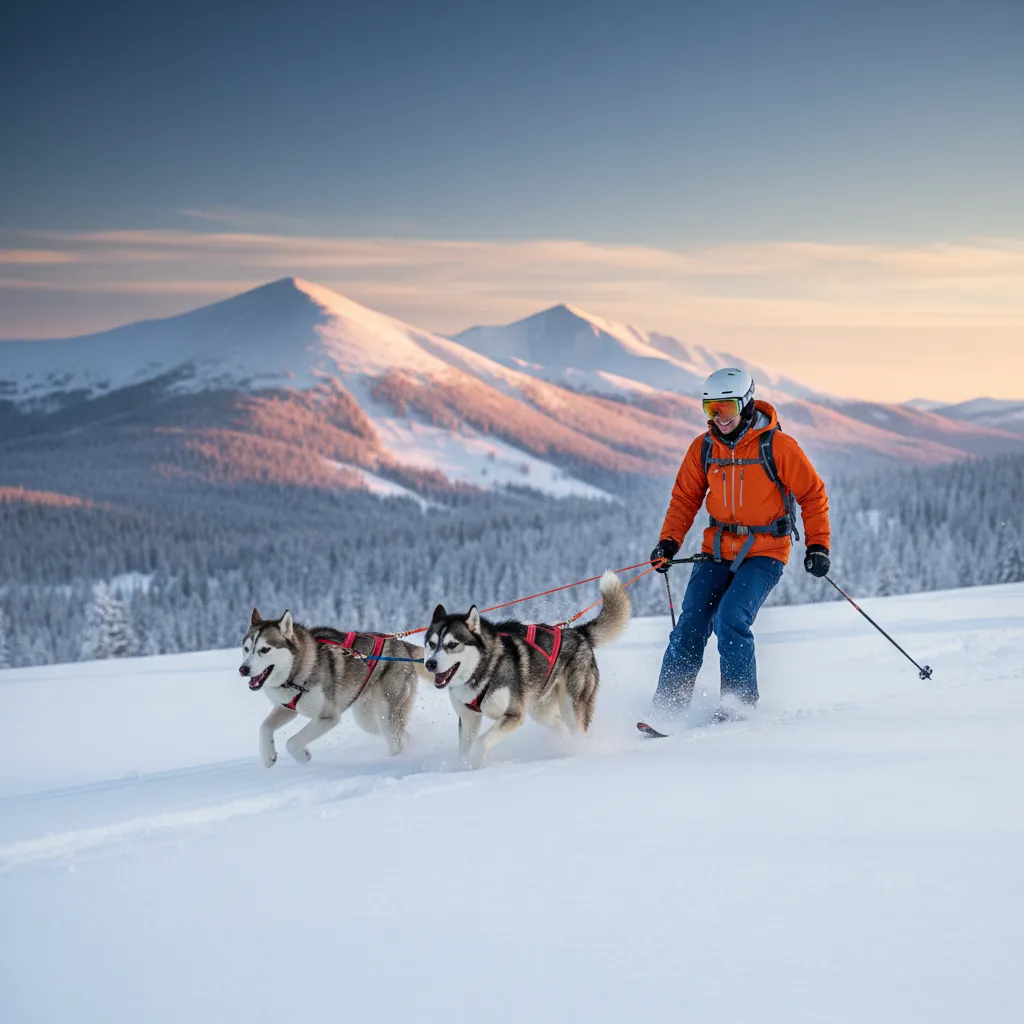
Skijoring is a thrilling winter sport that combines the excitement of skiing with the companionship of your dog. Originating from Scandinavian traditions, this activity involves being pulled by one or more dogs while skiing, making it a fantastic way to enjoy the snowy outdoors and bond with your furry friend. If you're eager to embark on this adventure, here are some essential tips to help you and your dog start skijoring safely and enjoyably.
Understanding Skijoring Basics
The word 'skijoring' comes from the Norwegian term 'skikjøring,' which means 'ski driving.' This sport requires minimal equipment but demands a good understanding of both skiing and dog handling. Typically, a harness for your dog, a belt for you, and a bungee line to connect the two are essential. The bungee line helps absorb shocks and allows for smooth coordination between you and your dog.
Choosing the Right Dog
While many dog breeds can participate in skijoring, some are more naturally suited than others. Breeds like Siberian Huskies, Alaskan Malamutes, and other working dogs often excel due to their stamina and affinity for pulling. However, any healthy, energetic dog over 30 pounds can potentially enjoy this sport. It's crucial to ensure your dog is well-trained in basic commands and comfortable in a harness before starting.
Training Tips for Skijoring
Training is a vital component of successful skijoring. Begin by acclimating your dog to wearing a harness and understanding the commands 'go,' 'stop,' 'left,' and 'right.' Start with short sessions on foot, allowing your dog to get used to pulling you without skis. Gradually introduce skis once your dog is confident, ensuring to keep early sessions short and rewarding to maintain enthusiasm and focus.
Safety Precautions
Safety should always be a priority when skijoring. Before heading out, check weather conditions and trail safety. Avoid icy or excessively steep trails that could pose risks to both you and your dog. It's also important to keep an eye on your dog's well-being, ensuring they don't overheat or become too tired. Regular breaks and hydration are essential to keep your adventure enjoyable and safe.
Finding the Right Trails
Choosing the right trail is crucial for a successful skijoring experience. Look for trails that allow dogs and have enough space for skiers and their canine companions. Many areas have dedicated skijoring trails, which are perfect for beginners. When starting out, opt for flat, open spaces that provide room for practice and easy maneuverability.
Equipment and Gear
Investing in good quality gear can enhance your skijoring experience significantly. A well-fitted harness for your dog is essential, as is a comfortable belt for yourself. The bungee line should be sturdy and of appropriate length to allow freedom of movement without tangling. Additionally, consider protective gear such as goggles and helmets for yourself to ensure safety during your adventures.
Building a Bond with Your Dog
Skijoring is not just a physical activity; it's also a fantastic opportunity to strengthen the bond with your dog. The teamwork involved requires communication and trust, making it a rewarding experience for both you and your pet. Celebrate small accomplishments and progress, always keeping the experience positive and enjoyable.
Conclusion
Skijoring offers a unique blend of skiing and dog companionship, making it a rewarding winter sport for both humans and dogs. By understanding the basics, choosing suitable trails, and investing in proper training and equipment, you can embark on countless adventures with your canine friend. Remember to prioritize safety and enjoyment, ensuring that each outing is a memorable experience for you both.