Walking a cat on a leash might seem unconventional, but it can be a rewarding experience for both you and your feline friend. While some cats adapt well to the idea of exploring the great outdoors, others may need a little coaxing. Understanding your cat's personality and using the right techniques can make all the difference in turning an indoor cat into an adventurous explorer.
Understanding Your Cat's Personality
Before you embark on this adventure, it's crucial to understand your cat's temperament. Not all cats will enjoy being on a leash, and some might find the experience stressful. Start by observing how your cat reacts to new environments and stimuli. Cats that are naturally curious and confident are more likely to enjoy leash walking. On the other hand, more timid cats might need extra encouragement and a gradual approach.
Choosing the Right Equipment
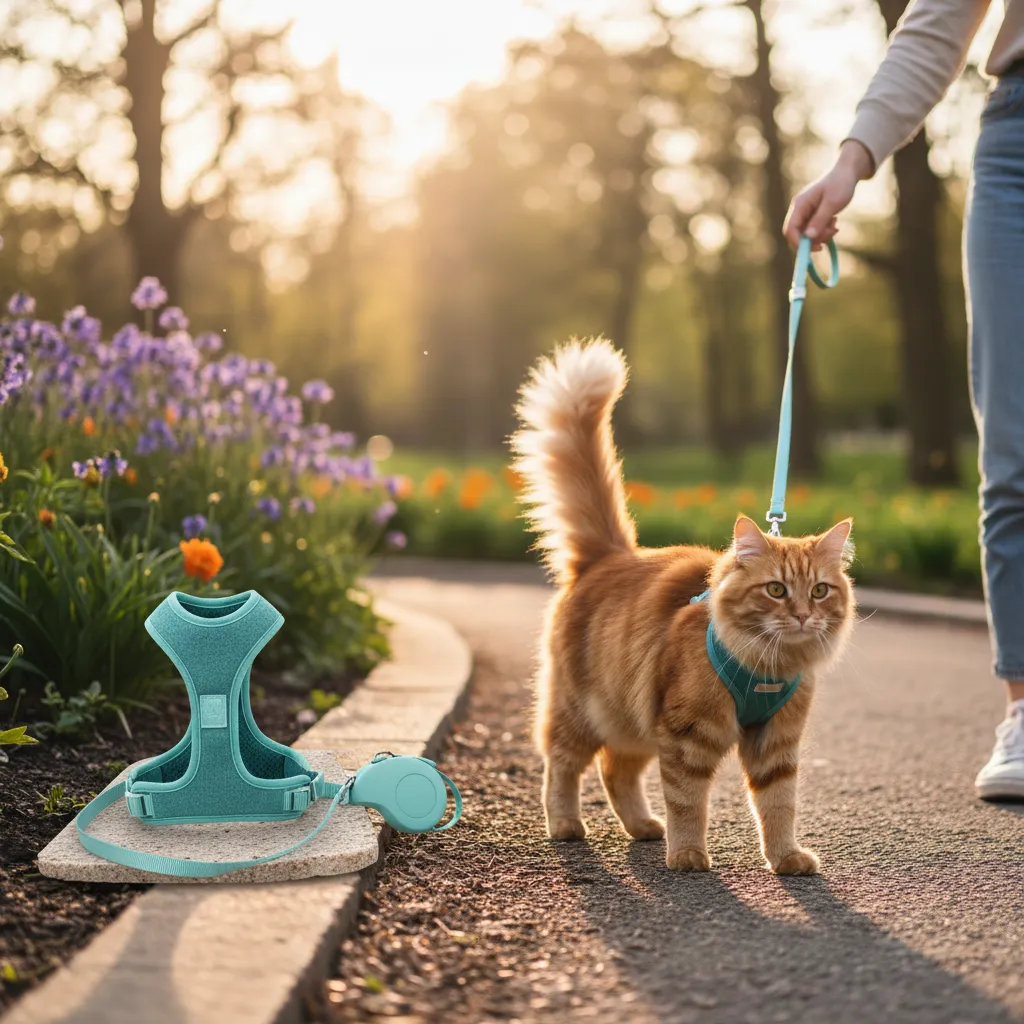
Investing in the right gear is essential for a successful leash-training experience. A well-fitted harness is the most important piece of equipment. Unlike collars, harnesses distribute pressure evenly across your cat's body, providing comfort and reducing the risk of injury. Try different styles to find one that your cat finds comfortable and secure. Pair the harness with a lightweight leash to give your cat freedom to explore while keeping them safe.
Introducing the Harness
Introducing your cat to a harness should be a gentle process. Start by letting your cat sniff and explore the harness without putting it on. Once your cat seems comfortable, try placing the harness on them without fastening it. Gradually increase the time your cat wears the harness until they seem at ease with it on. Reward your cat with treats and praise to create positive associations.
Getting Your Cat Used to Walking
Once your cat is comfortable in their harness, begin practicing indoors. This allows your cat to adjust to the sensation of walking on a leash in a familiar environment. Encourage your cat to follow you with gentle tugs on the leash, rewarding them with treats for following. Patience is key, as some cats will take longer to adapt than others.
Exploring the Outdoors
When your cat is ready, introduce them to the outdoors gradually. Start with short sessions in a quiet area, free from loud noises and distractions. Keep the first few outings brief and gradually increase the duration as your cat becomes more confident. Always be attentive to your cat's body language; if they seem stressed, it might be best to go back inside and try again another day.
Safety Tips for Outdoor Adventures
While exploring the outdoors with your cat, safety should always be a priority. Ensure your cat is up-to-date with vaccinations and flea prevention. Avoid areas with heavy traffic or loose dogs that might frighten your cat. Always supervise your cat closely to prevent them from eating toxic plants or getting into dangerous situations.
When to Seek Professional Help
If your cat continues to show signs of distress despite your efforts, consider consulting a professional animal behaviorist. They can offer expert guidance tailored to your cat's specific needs, helping you address any behavioral challenges that may arise during leash training.
Conclusion
Walking a cat on a leash can be a delightful way to enrich their life, providing mental stimulation and exercise. By understanding your cat's personality, choosing the right equipment, and taking a patient approach, you can create a positive experience that both you and your feline companion will enjoy. Remember, the key is patience and persistence. With time, your cat may come to love their outdoor adventures as much as you do.