
Bringing home an adopted pet should feel joyful, but the first days can also feel confusing. Many dogs and cats experience adoption shock, a stress response caused by sudden change. New sounds, unfamiliar people, different routines, and a strange home can overwhelm even friendly animals. Understanding this adjustment period helps families respond with patience, structure, and confidence.
What Is Adoption Shock?
Adoption shock describes the behavioral and emotional changes a pet may show after leaving a shelter, foster home, rescue group, or previous household. The animal has entered a completely new environment. They do not yet know where they are safe, who they can trust, or what will happen next.
This reaction is not a sign that the adoption has failed. It also does not mean the pet has a bad personality. In most cases, adoption shock is temporary. The animal needs time to decompress, observe, and slowly build security.
Some pets adjust within a few days. Others need weeks or even months. Age, past experiences, health, temperament, and the level of change all play a role. A puppy may respond differently than a senior dog. A confident cat may explore quickly, while a shy cat may hide for days.
Why Newly Adopted Pets Feel Overwhelmed
Animals rely on familiar smells, routines, and spaces. Adoption removes those anchors all at once. A shelter dog may move from a noisy kennel to a quiet apartment. A cat who lived with other cats may suddenly become the only pet. Even positive changes can feel stressful at first.
Many adopted animals have already experienced loss. They may have been surrendered, abandoned, transported, or separated from caregivers. Some have known trauma or neglect. Others had loving homes but still feel unsettled after the transition.
Stress hormones can affect appetite, sleep, digestion, and behavior. A pet may act shut down one day and energetic the next. These shifts are common during the early adjustment period. The goal is to reduce pressure and create predictability.
Common Signs of Adoption Shock in Dogs and Cats
Adoption shock can look different in every animal. Some pets become quiet and withdrawn. Others appear restless or overly excited. Watch for patterns rather than judging one isolated moment.
Behavioral Changes
A newly adopted dog may pace, whine, bark, freeze, or follow a person constantly. Some dogs refuse to enter certain rooms or avoid doorways. Others may guard food, toys, beds, or people because they feel insecure.
Cats may hide under furniture, avoid touch, hiss, swat, or stay motionless in one spot. A cat who seems unfriendly may simply feel frightened. For many cats, hiding is a coping strategy, not a permanent trait.
Physical and Routine Changes
Stress can reduce appetite. A pet may skip meals, eat only at night, or drink less than usual. Some animals have soft stools or temporary digestive upset. Others may sleep more than expected because adjustment is exhausting.
House-training setbacks can also happen. A dog who was previously house-trained may have accidents indoors. A cat may miss the litter box if the setup feels unsafe or unfamiliar. These issues often improve with calm guidance and routine.
The First Days Matter Most
The first few days should be quiet and simple. Many adopters feel excited and want to introduce their new pet to everyone. That enthusiasm is understandable, but too much attention can increase stress.
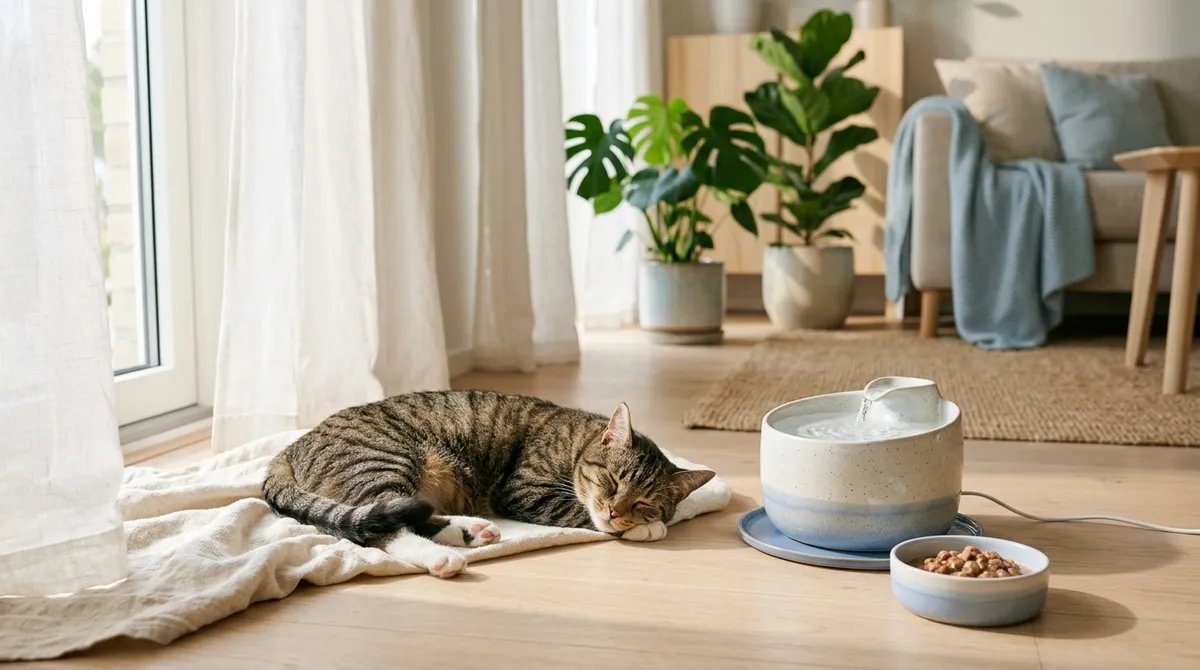
Instead, give the animal a peaceful place to settle. Choose one room or a small area with food, water, bedding, and appropriate toys. For cats, include a litter box and hiding spots. For dogs, a crate or gated space can offer comfort if introduced gently.
Let the pet approach at their own speed. Avoid forcing cuddles, handling, or face-to-face greetings. Sit nearby, speak softly, and allow curiosity to grow. Trust develops faster when animals can make safe choices.
How the 3-3-3 Guideline Can Help
Many adopters use the 3-3-3 guideline to understand early behavior. It is not a strict rule, but it offers a helpful framework. During the first three days, a pet may feel stunned, nervous, or unsure. They may eat little, sleep a lot, or hide.
After about three weeks, many animals begin learning the household rhythm. They may test boundaries, show more personality, and respond better to routines. Some behaviors may become more noticeable as the pet relaxes.
By around three months, many adopted pets feel more secure. They often understand daily patterns and form stronger bonds. Still, every animal is different. Some need longer, especially those with fear, medical needs, or difficult histories.
Build a Predictable Routine
Routine is one of the best tools for easing adoption shock. Feed meals at consistent times. Take dogs outside on a regular schedule. Keep bedtime, walks, play, and quiet time predictable.
Predictability tells the animal what to expect. It reduces the need to stay alert. Over time, repeated positive experiences teach the pet that the new home is safe.
Keep rules clear and gentle. If the dog is not allowed on the sofa, guide them to a bed from the beginning. If a cat needs time before roaming the whole home, open new areas gradually. Consistency prevents confusion.
Use Positive Reinforcement
Reward the behaviors you want to see. Offer treats, praise, play, or calm attention when the pet makes good choices. Positive reinforcement builds confidence and strengthens the human-animal bond.
Avoid punishment, yelling, or harsh corrections. These responses can increase fear and slow progress. A stressed pet needs safety, not intimidation. If a behavior is challenging, look for the cause. Fear, pain, confusion, or unmet needs may be involved.
Training should start gently. Short sessions work best. Teach simple cues, reward eye contact, and celebrate small wins. For cats, reward calm exploration, litter box use, scratching posts, and relaxed interactions.
Introduce People and Pets Slowly
New relationships should not be rushed. Ask visitors to ignore the pet at first. This gives the animal control. Many pets feel safer when they are not stared at, grabbed, or crowded.
Children need clear guidance. They should use quiet voices, avoid chasing, and respect the pet's resting space. An adopted animal may not understand a child's movements or excitement yet.
Resident pets also need careful introductions. Use scent swapping, barriers, leashes, and short supervised meetings. Watch body language closely. Separate animals before tension rises. Slow introductions can prevent long-term conflict.
When to Call a Professional
Some adjustment issues need expert support. Contact a veterinarian if your pet refuses food for more than a day, seems weak, vomits repeatedly, has severe diarrhea, or shows signs of pain. Medical problems can look like stress.
Behavior help may be needed for intense fear, repeated biting, severe separation distress, or escalating aggression. Choose a qualified trainer, behavior consultant, or veterinary behavior professional who uses humane, reward-based methods.
Early support can protect the adoption and improve quality of life. Asking for help is responsible, not a failure. Many pets thrive once their needs are understood.
Patience Turns Adjustment Into Trust
Adoption shock can be difficult for families, especially when expectations do not match reality. A pet may not feel affectionate right away. They may seem distant, nervous, messy, or unpredictable. These early behaviors often reflect stress, not the pet's true potential.
Give your new companion time to become themselves. Offer safety, routine, kindness, and space. Celebrate small signs of progress, such as eating comfortably, resting nearby, exploring a room, or seeking gentle contact.
Adoption is the beginning of a relationship, not a single event. With patience and understanding, the uncertain first days can grow into lasting trust. Many adopted dogs and cats become deeply bonded companions once they realize they are finally home.